


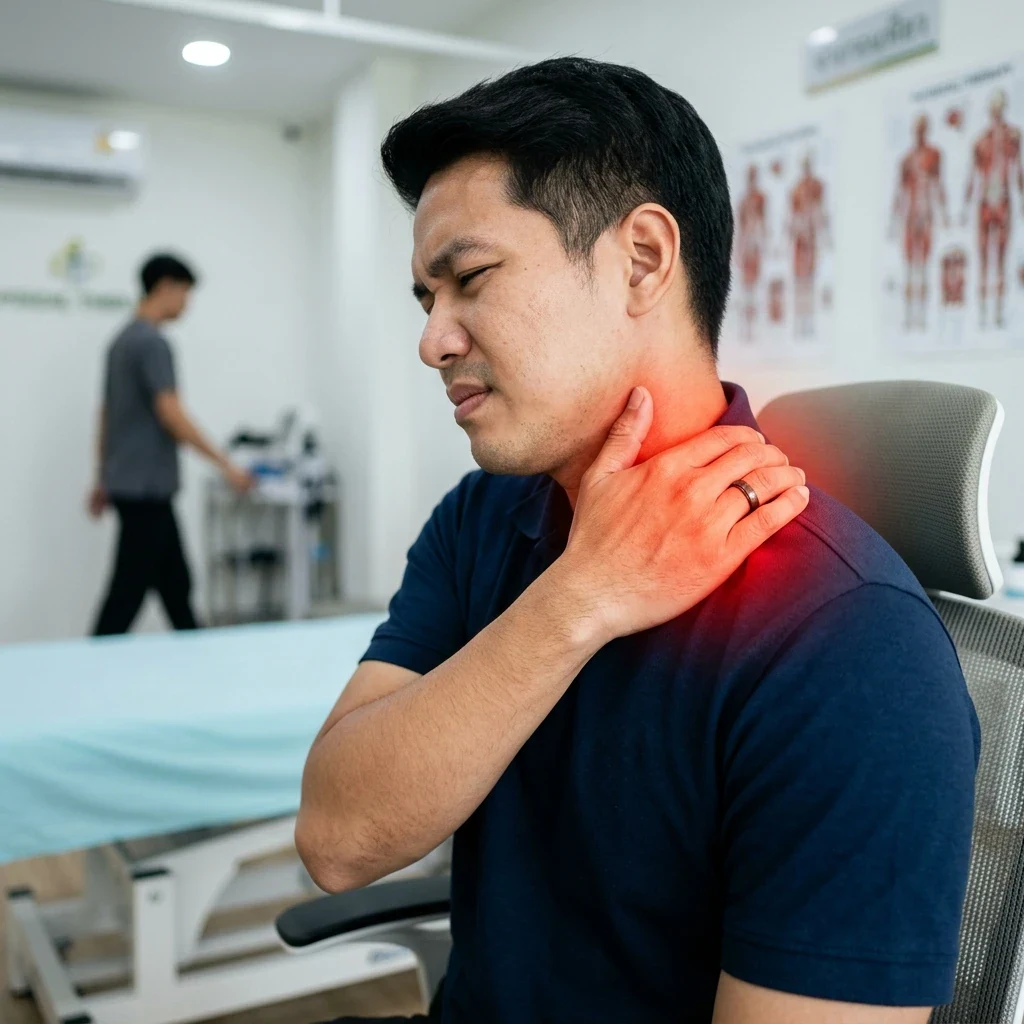
Neck & Shoulder Pain from Desk Work
Understand common contributors to office-related neck and shoulder pain and what a physiotherapy assessment looks for.
Read guideStart with practical guides to common symptoms and treatment options. Health information is educational and does not replace an individual assessment.
Understand common contributors to office-related neck and shoulder pain and what a physiotherapy assessment looks for.
Read guide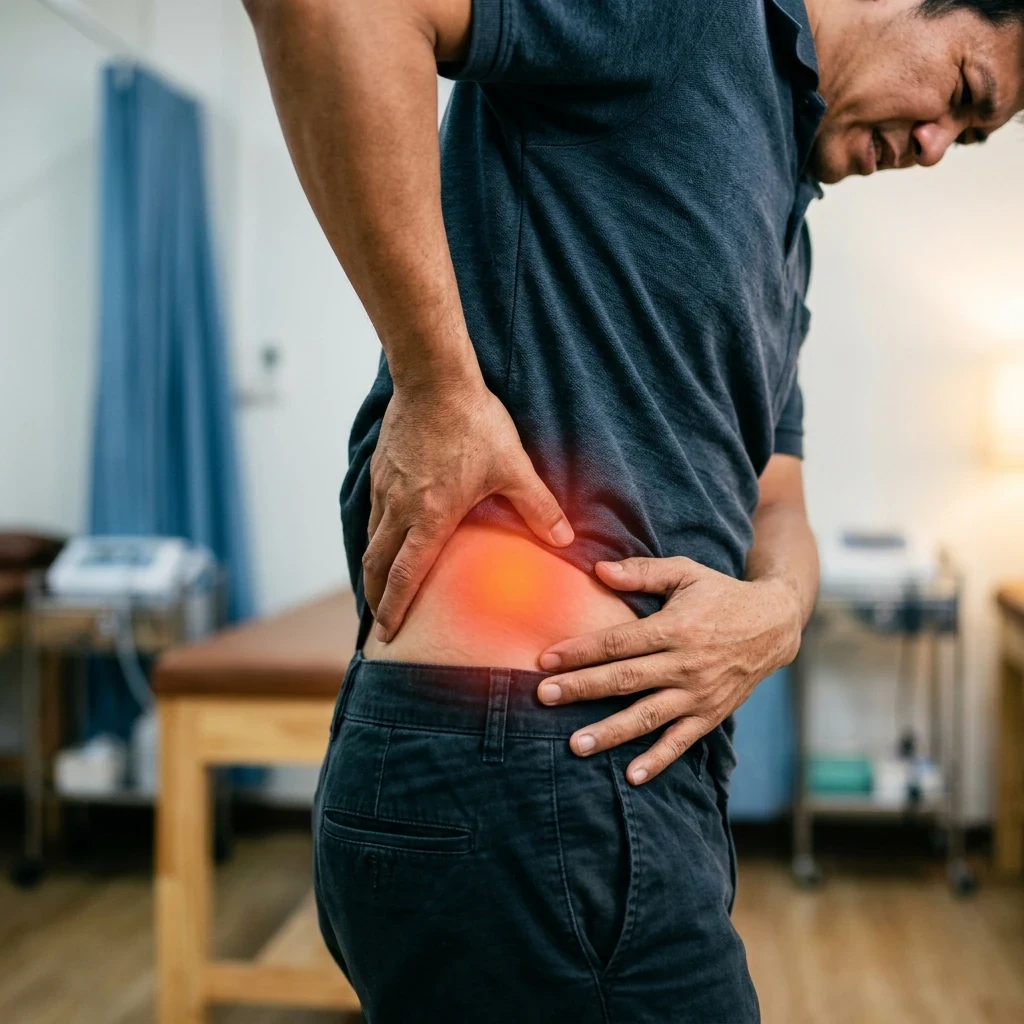
Learn why back pain assessment includes movement, strength, neurological signs and red-flag screening.
Read guide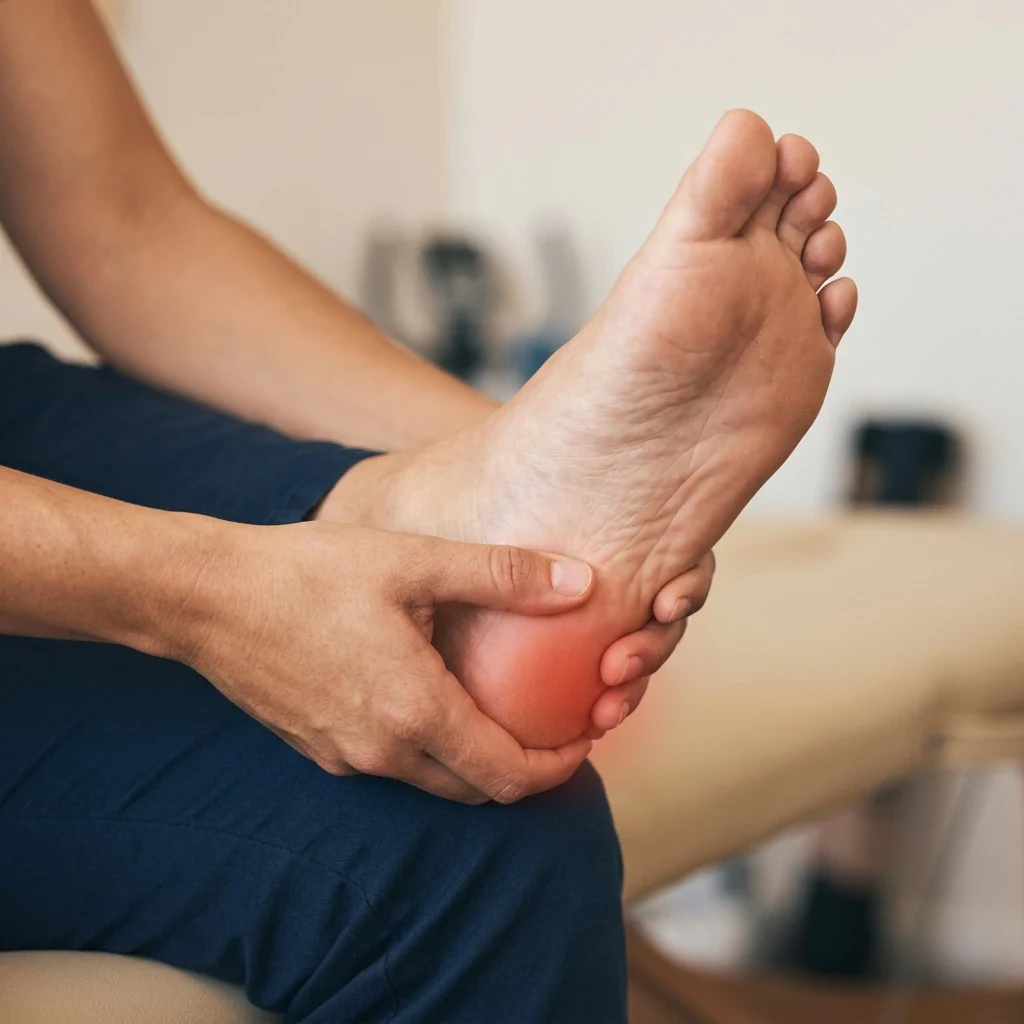
A practical guide to first-step heel pain, foot loading and when Shockwave may be considered.
Read guide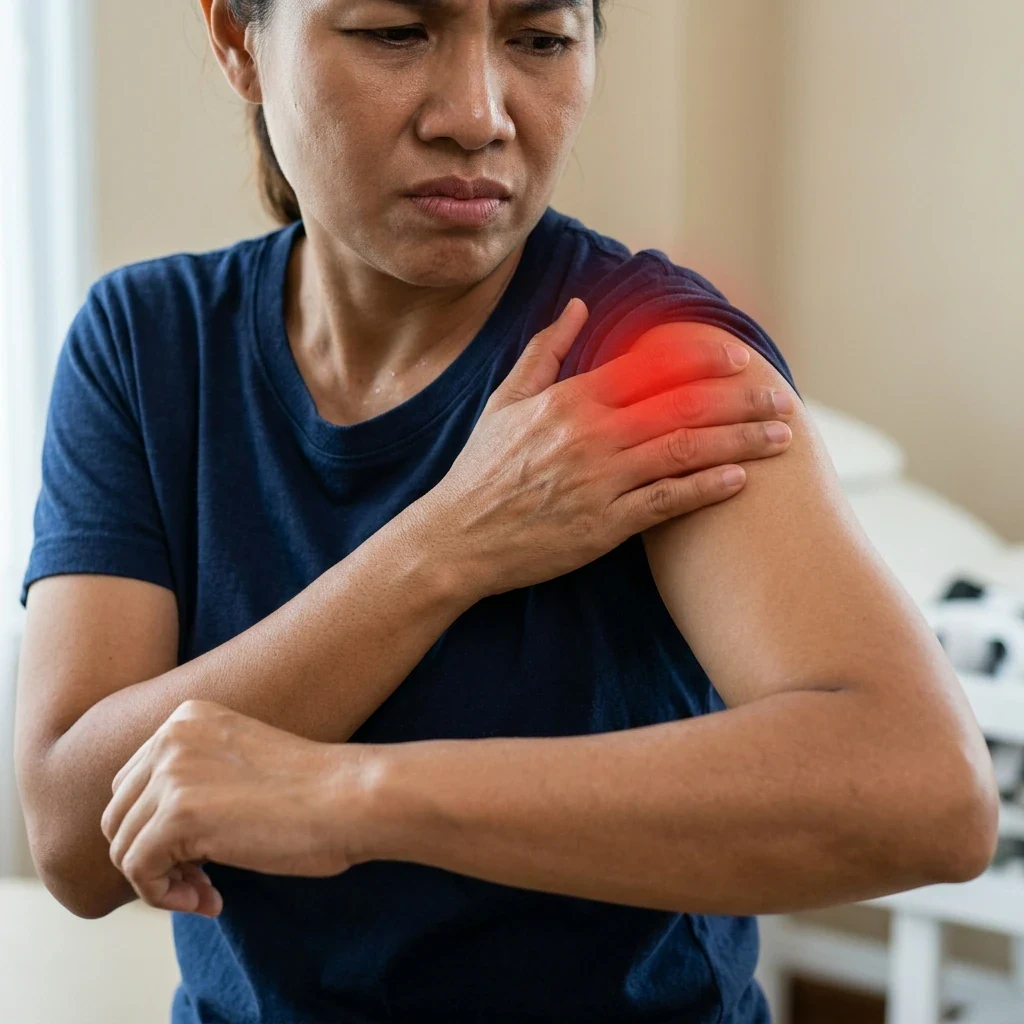
Why shoulder range, pain behaviour and the stage of stiffness matter when planning rehabilitation.
Read guide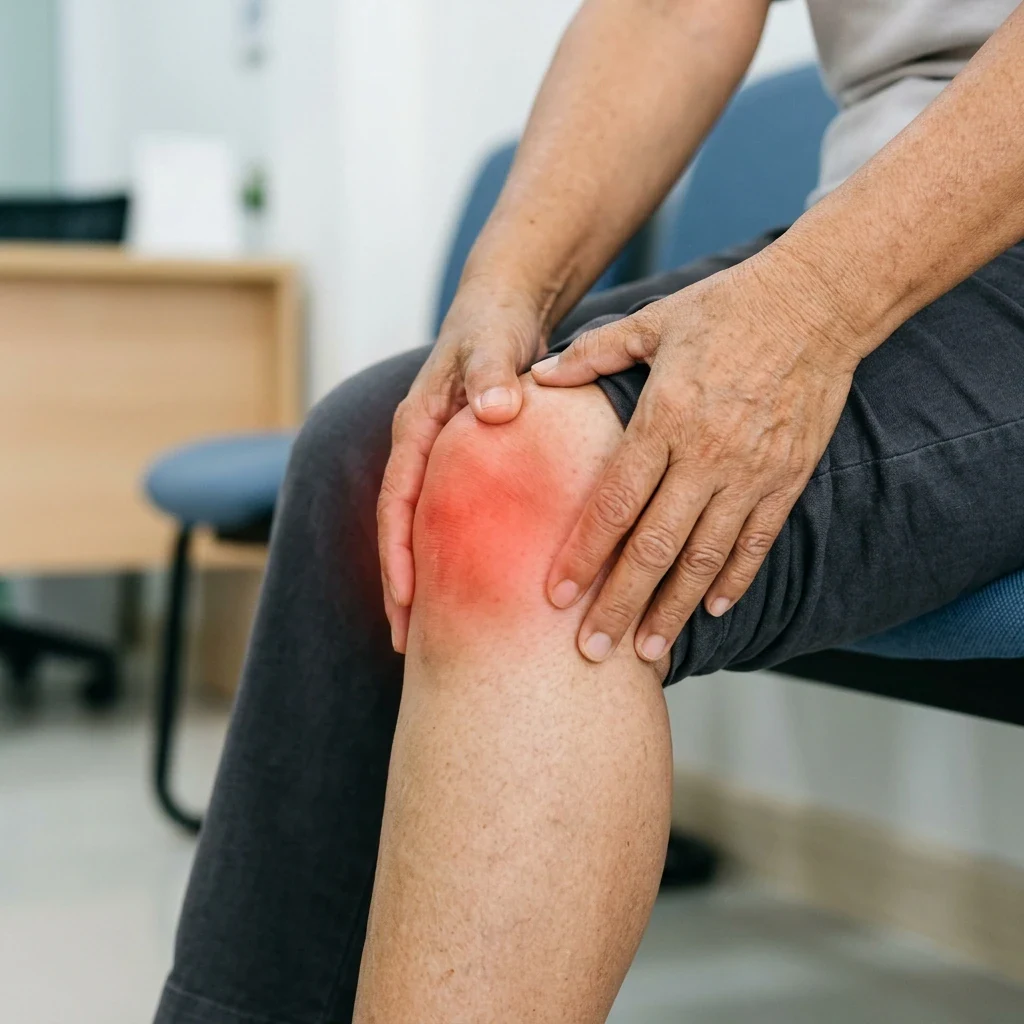
How strength, walking, stairs and daily activities can guide an individual knee rehabilitation plan.
Read guide
Assessment, progressive loading and return-to-sport criteria for common muscle, tendon and joint injuries.
Read guideEnglish article library
40 guides · reviewed as educational health content
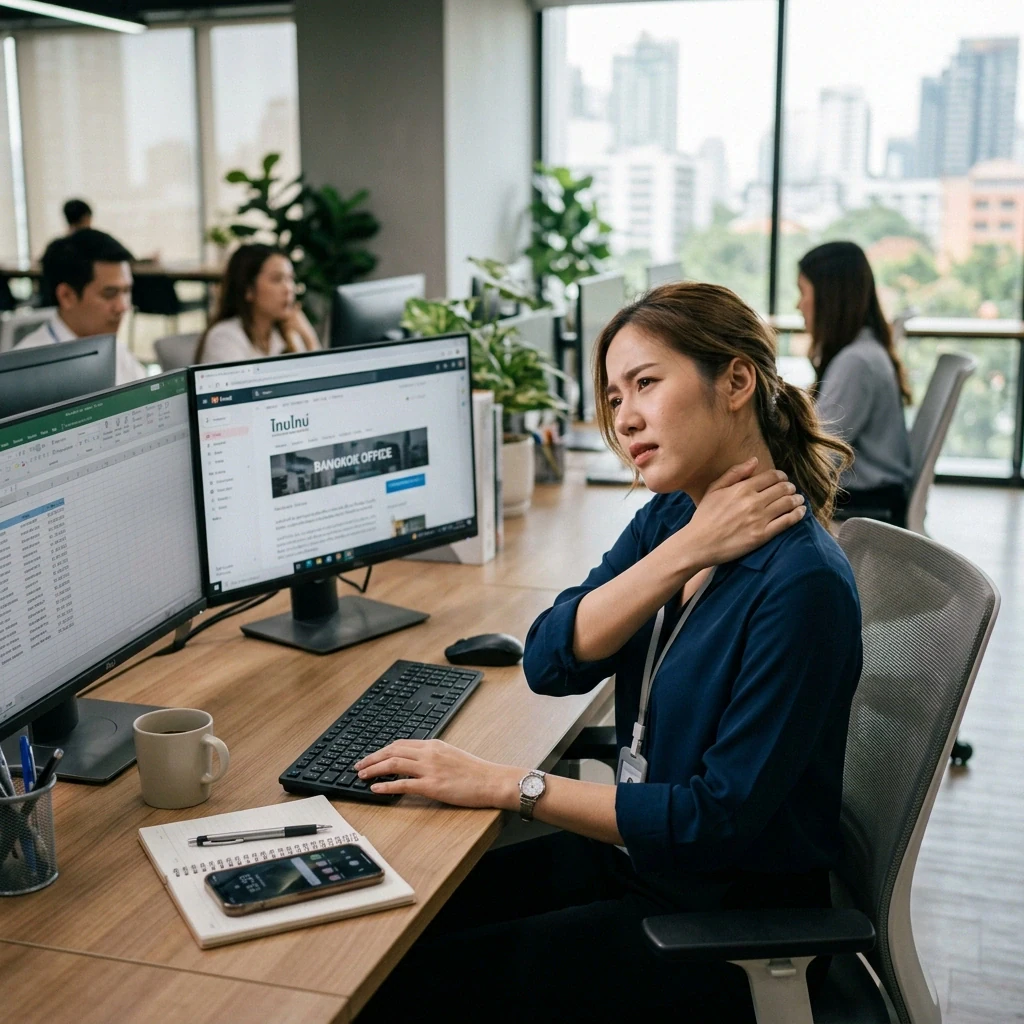
Office syndrome is a common label for neck, shoulder and upper-back discomfort related to prolonged work and limited movement variety.
Read article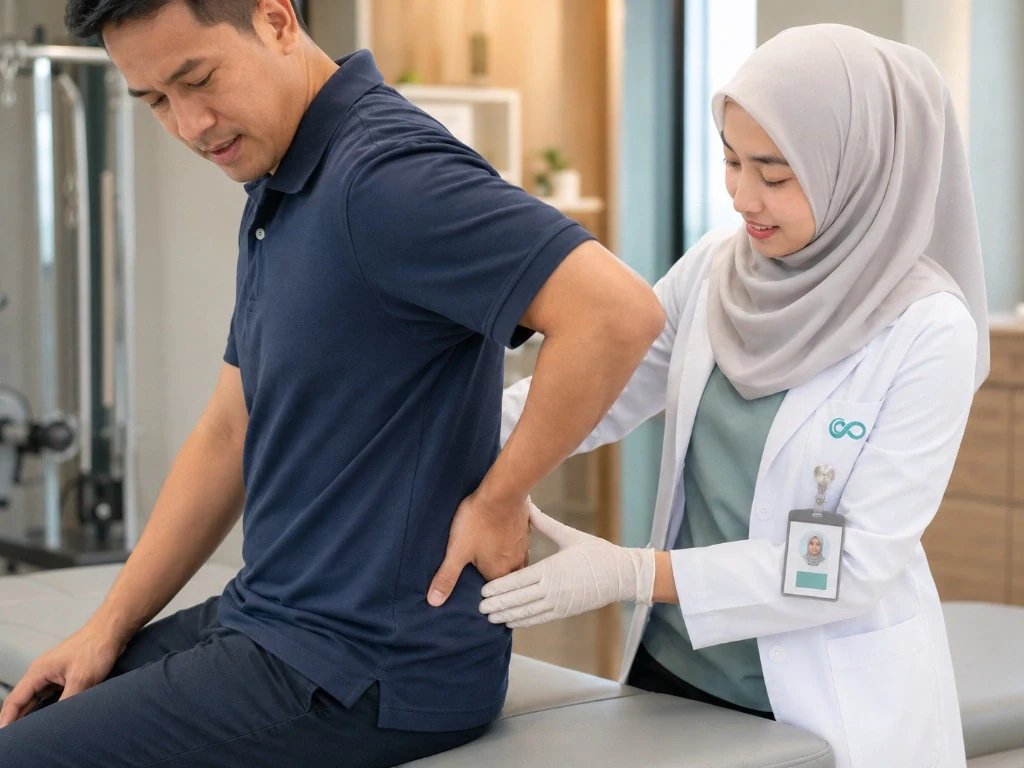
Persistent or recurring low back pain can benefit from assessment, especially when movement, work, sleep or walking are affected.
Read article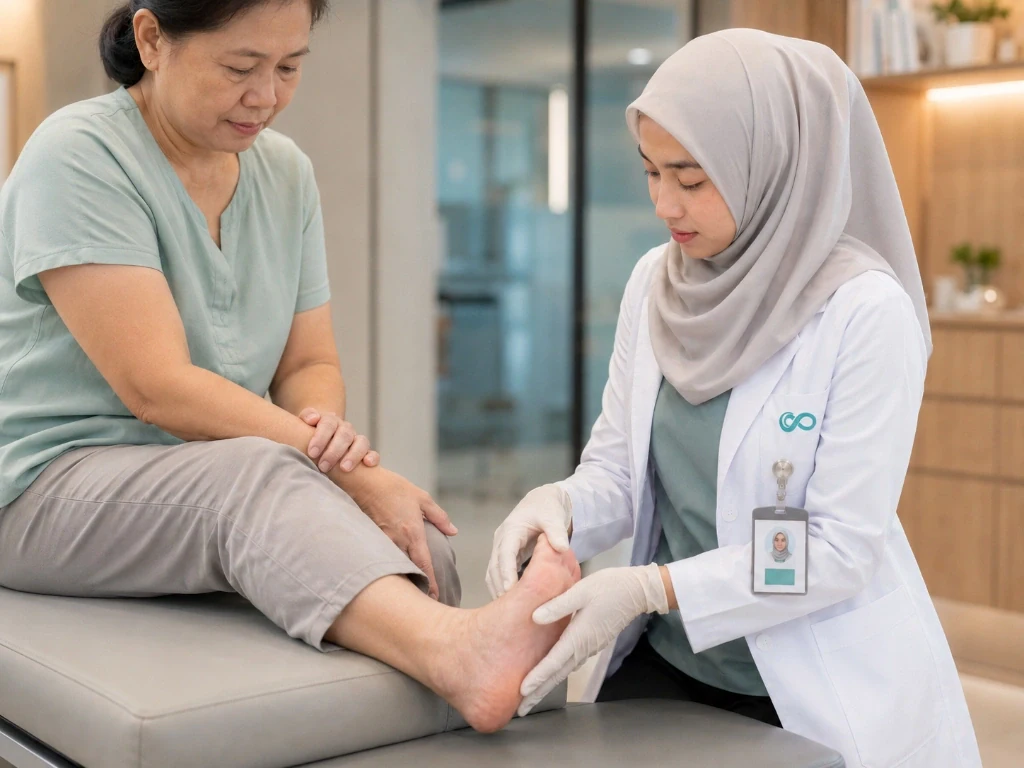
Physiotherapy for plantar heel pain can include load management, calf-foot exercise and, in selected persistent cases, shockwave therapy.
Read article
Shockwave therapy uses mechanical pressure waves and may be considered for selected persistent tendon and soft-tissue problems after assessment.
Read article
Peripheral Magnetic Stimulation may be used as an adjunct for selected pain or muscle-activation goals, alongside active rehabilitation.
Read article
Therapeutic ultrasound uses high-frequency sound waves and may be used selectively, but it should not replace diagnosis, exercise or load management.
Read article
Frozen shoulder usually develops with pain and substantial movement restriction. Rehabilitation should match the stage and irritability of the shoulder.
Read article
Exercise, strength, activity management and education can help many people with knee osteoarthritis improve function and confidence.
Read article
Stiffness, weakness and swelling are common after immobilisation. Recovery usually involves gradual movement and strengthening rather than forcing the joint.
Read article
Clinic and home rehabilitation can complement each other. The right mix depends on safety, assistance needs, goals and the type of practice required.
Read article
A practical checklist for choosing physiotherapy care in Hat Yai, focusing on licensed clinicians, assessment, transparent plans and appropriate equipment.
Read article
Bring useful medical information, wear clothing that allows movement and think about the activities you most want to improve.
Read article
The number of sessions varies with the condition, severity, goals, recovery response and how much can be managed independently between visits.
Read article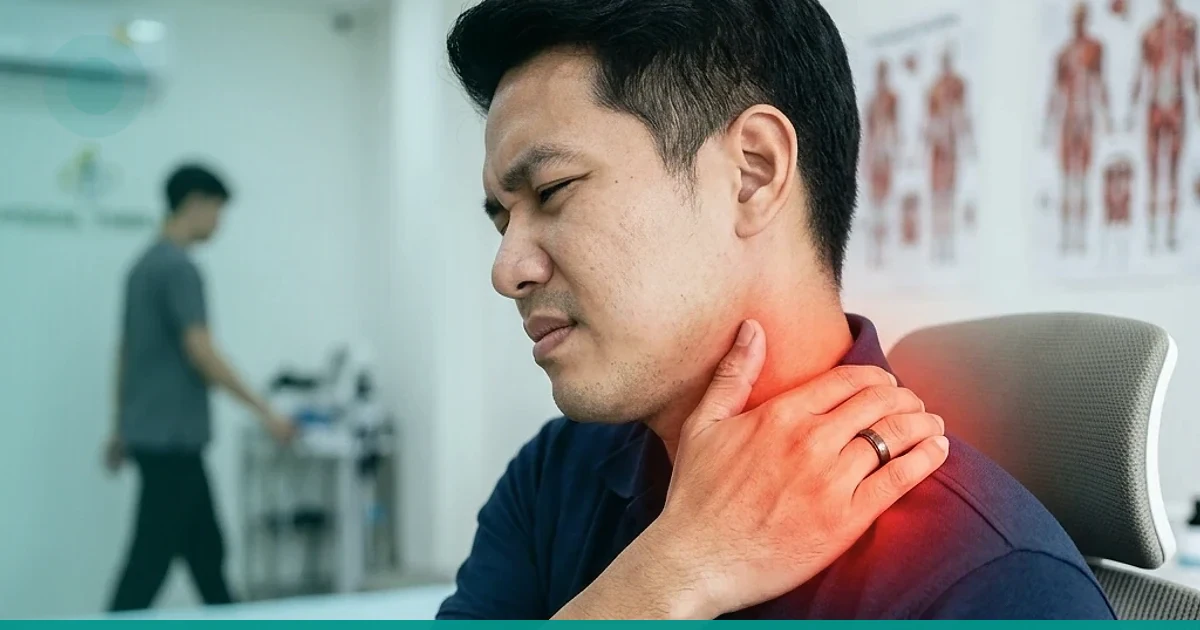
Office syndrome is a common label for work-related neck, shoulder and upper-back symptoms. Workload, movement variety and physical capacity all matter.
Read article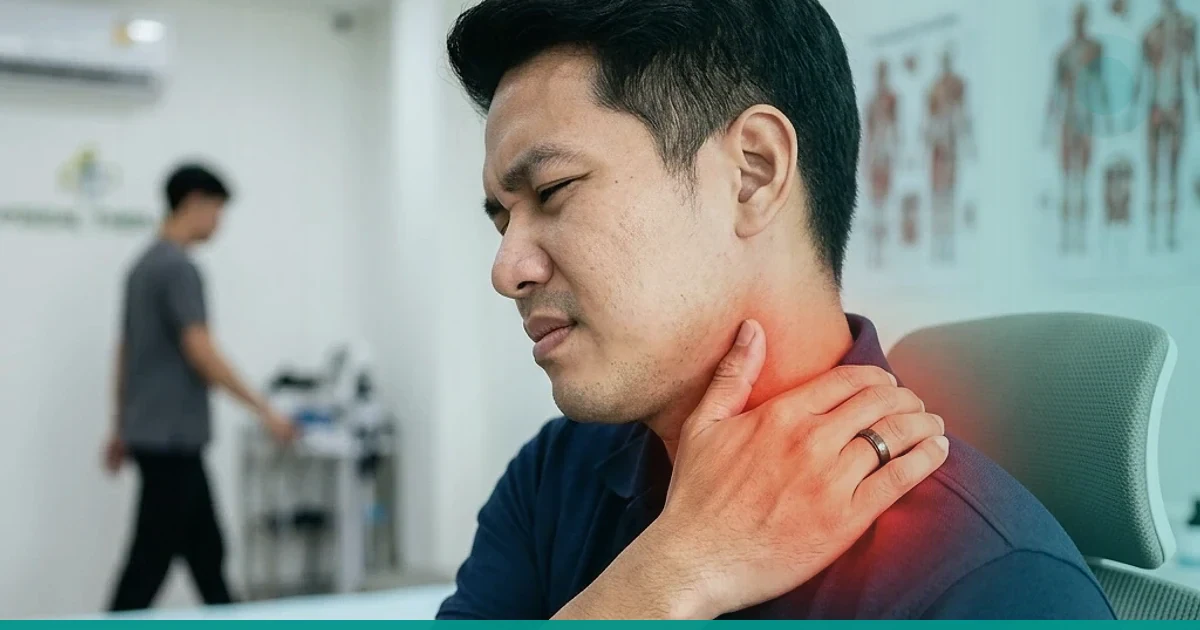
Persistent neck and shoulder pain, restricted movement or recurring work-related symptoms may benefit from assessment, while some warning signs need medical review.
Read article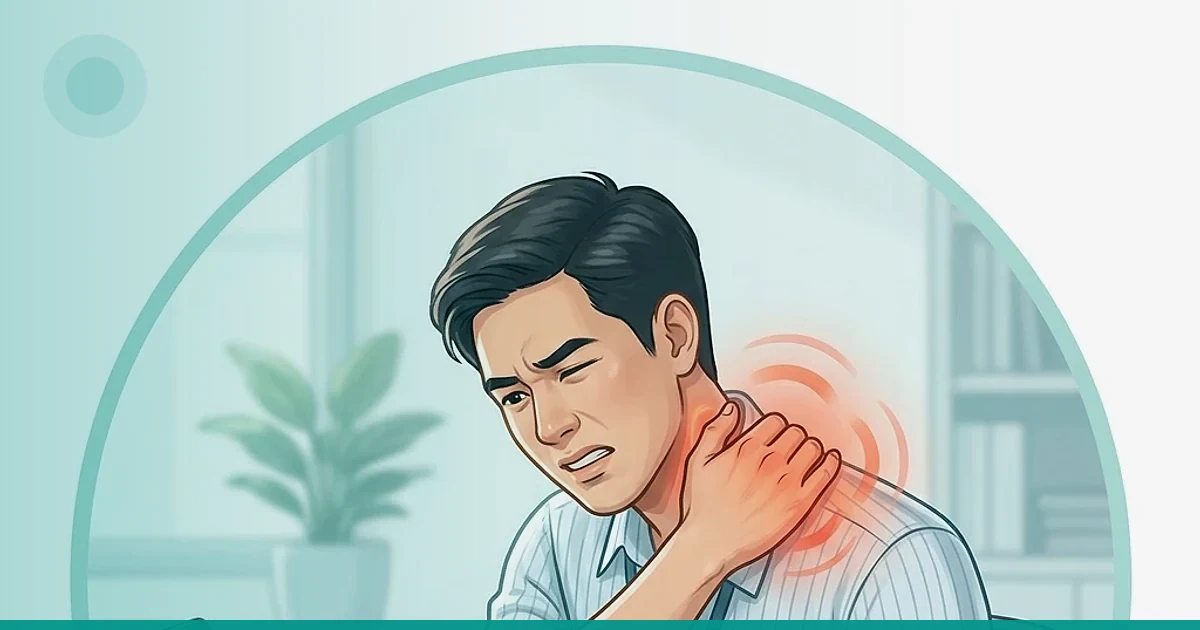
Long periods looking down at a phone can contribute to discomfort, but the solution is usually more than simply holding the phone at one perfect angle.
Read article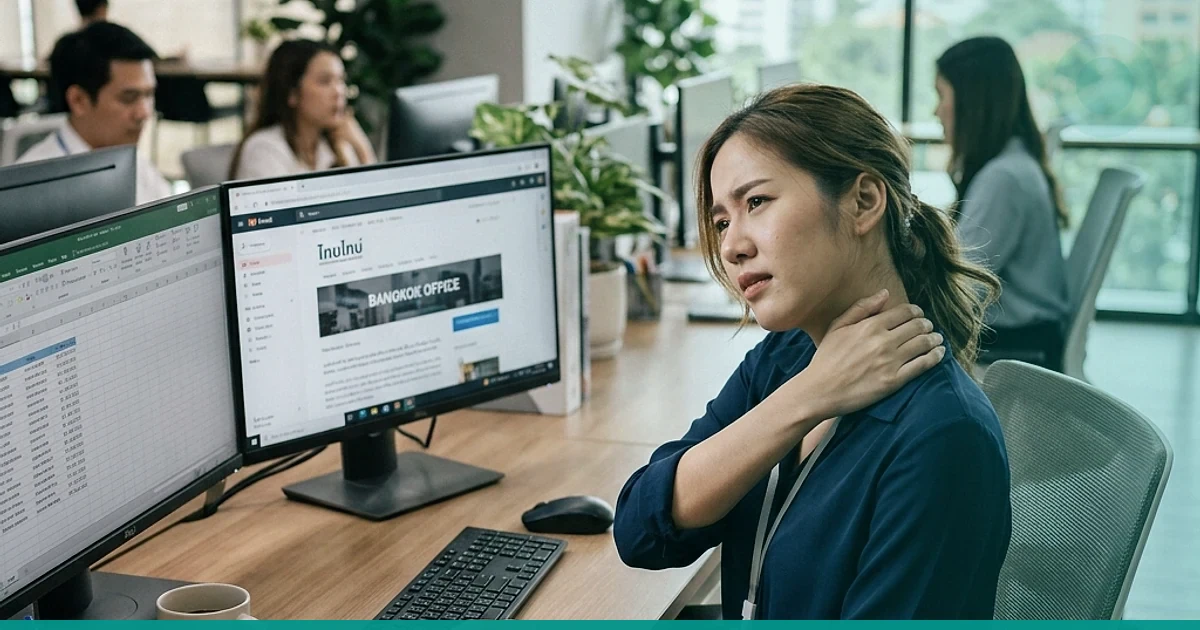
Desk setup can reduce unnecessary strain, but regular movement and workload habits matter as much as finding a single perfect posture.
Read article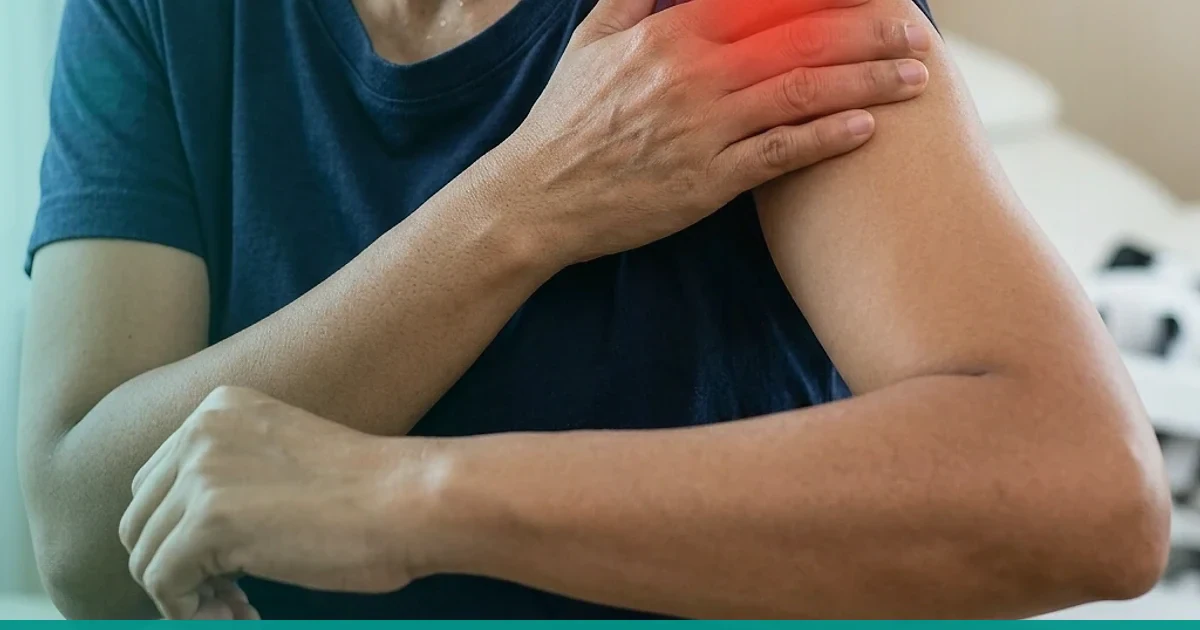
Neck pain with arm symptoms may involve joints, nerves or other structures. Numbness, weakness and symptom progression are important to assess.
Read article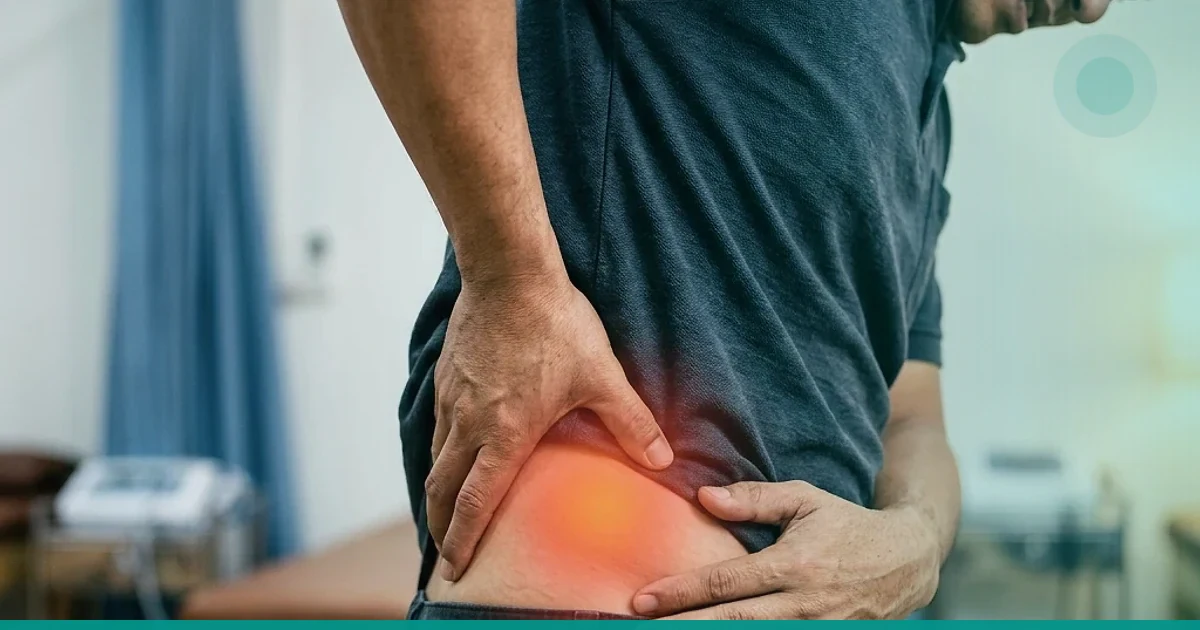
Most back pain is not an emergency, but some symptom patterns benefit from physiotherapy assessment and others require prompt medical care.
Read article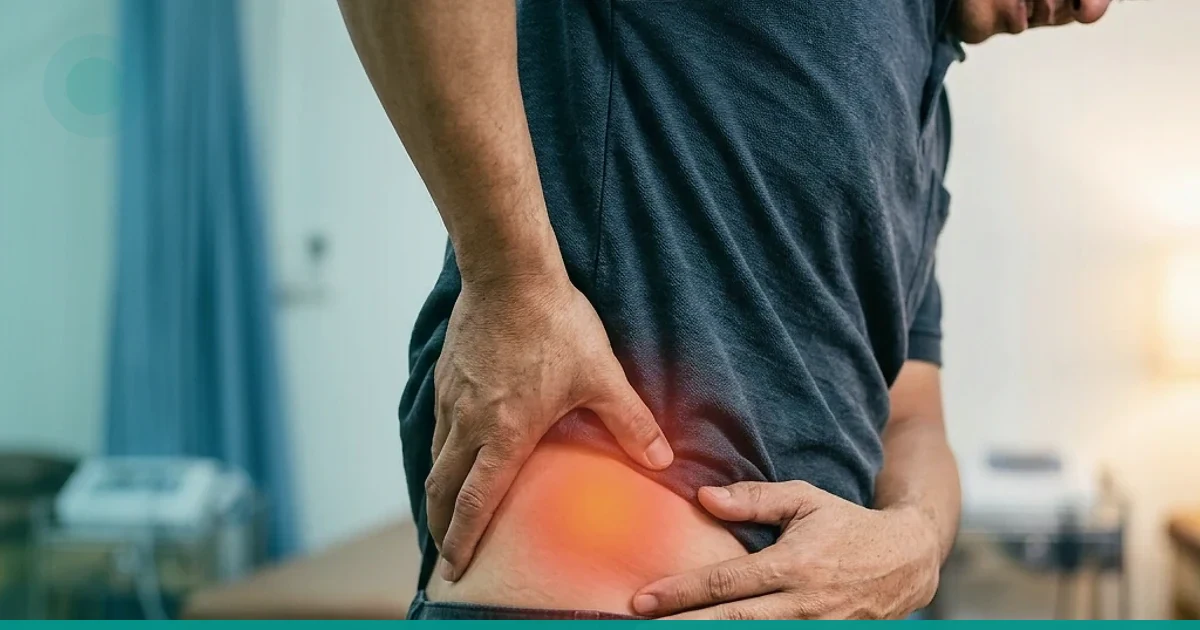
Leg symptoms with back pain can involve nerve irritation, referred pain or other causes. The pattern and neurological findings matter.
Read article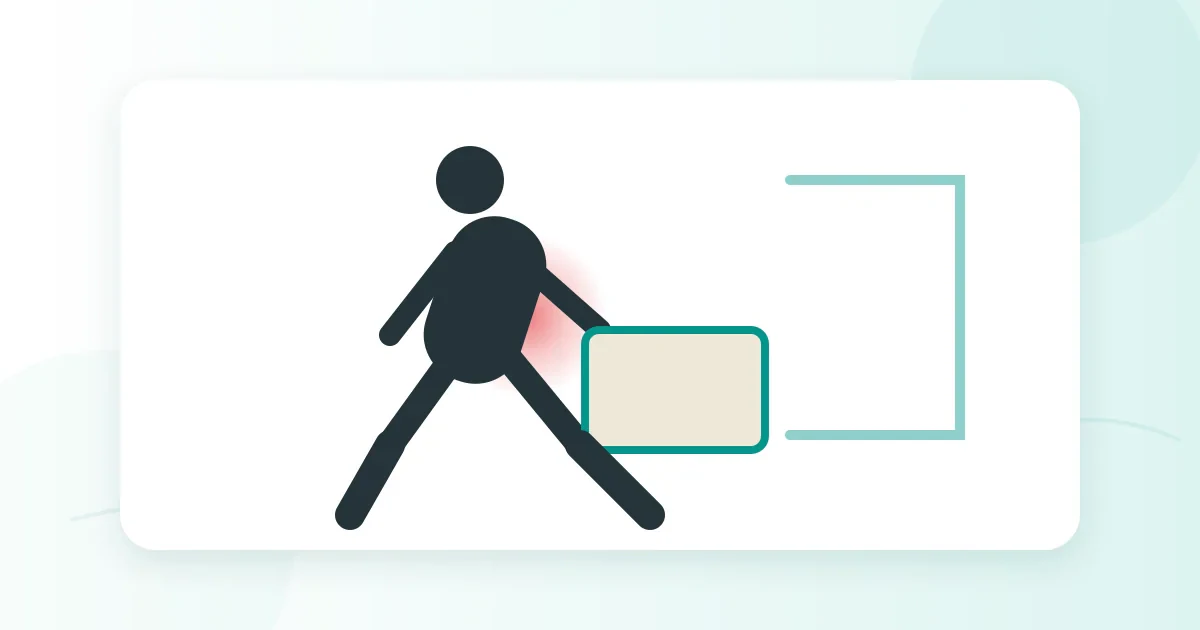
There is no single perfect lifting posture, but load, distance, speed, fatigue and preparation can all affect how demanding a lift feels.
Read article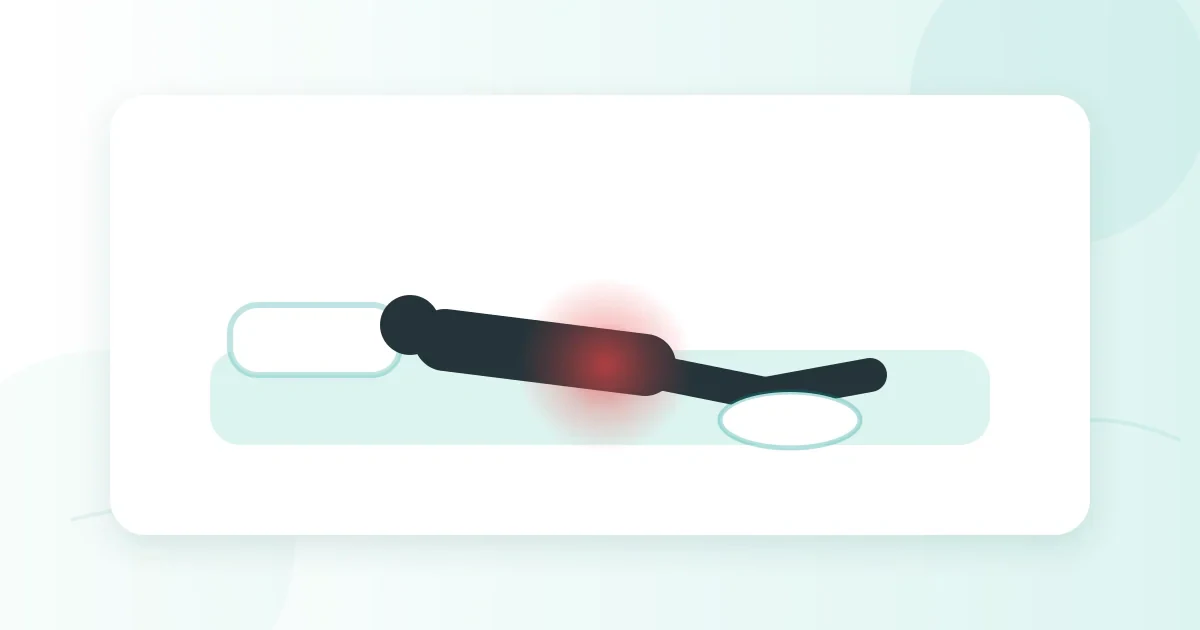
There is no universally correct sleeping position for back pain. Comfort, symptom behaviour and good sleep matter more than one prescribed posture.
Read article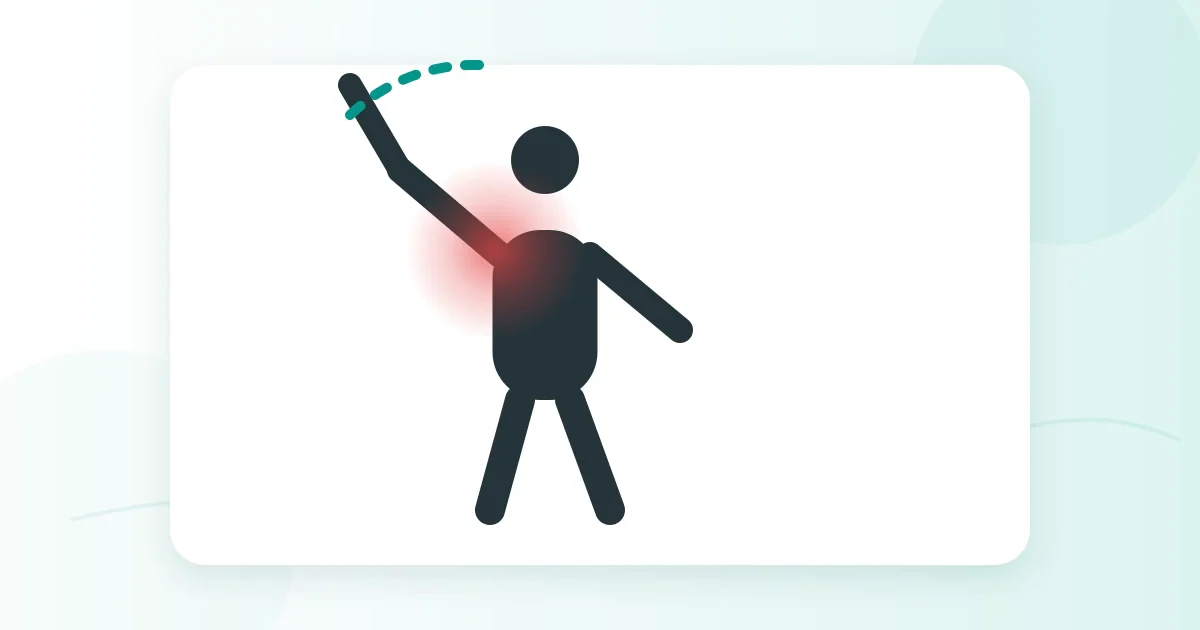
Pain during arm elevation may involve the rotator cuff, bursa, joint, neck or other factors. The movement pattern helps guide assessment.
Read article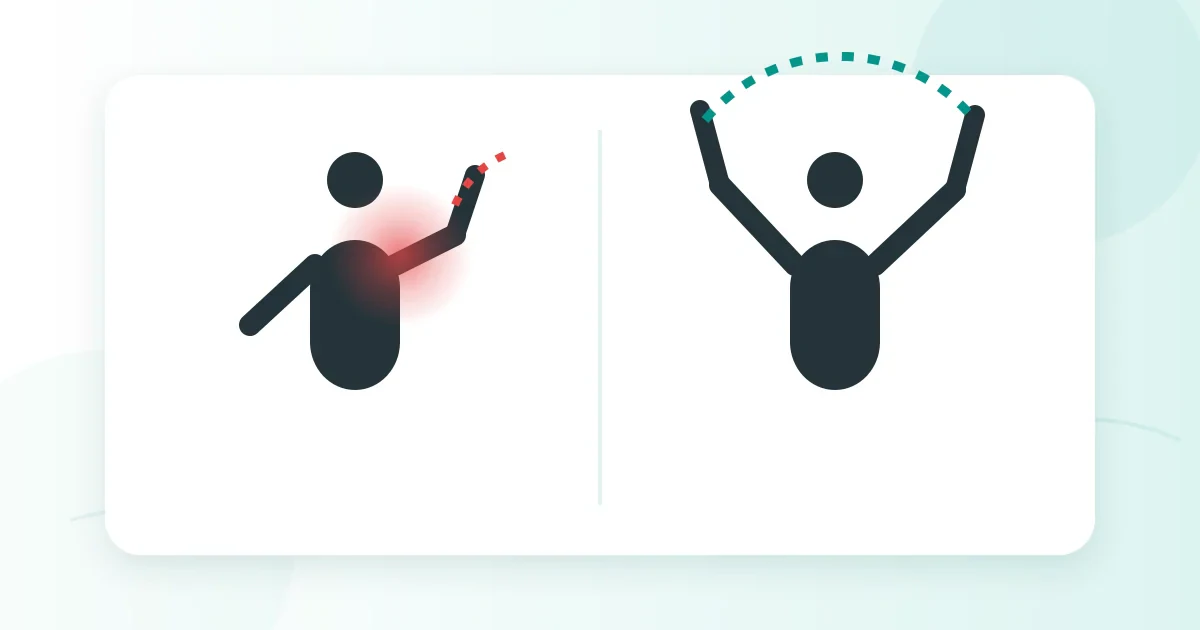
Frozen shoulder has a characteristic pattern of pain and restricted movement. Not every stiff or painful shoulder is adhesive capsulitis.
Read article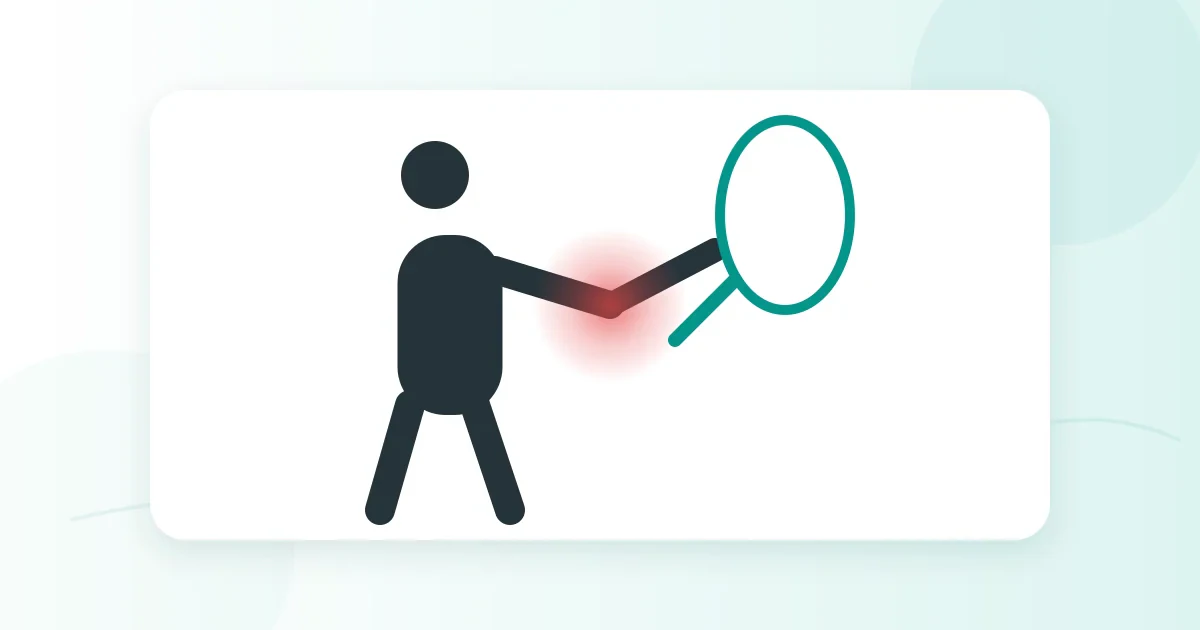
Tennis elbow often relates to load on the wrist-extensor tendon. Management usually combines load adjustment and progressive strengthening.
Read article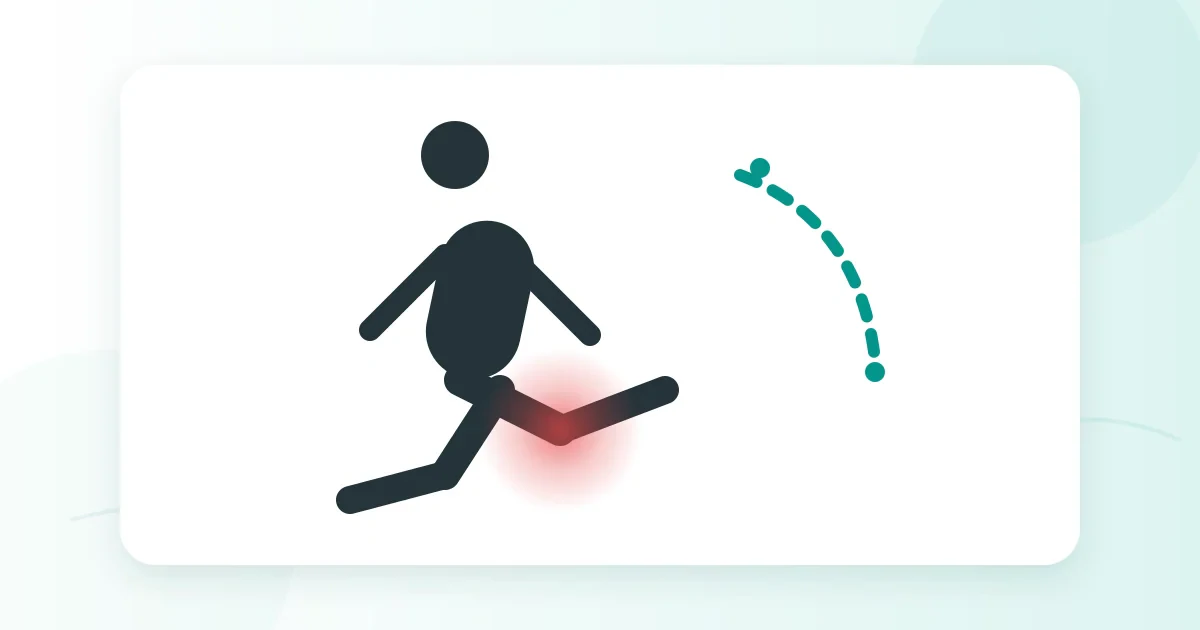
Running knee pain can reflect load, strength, training changes or local tissue sensitivity. Assessment helps identify what matters in your case.
Read article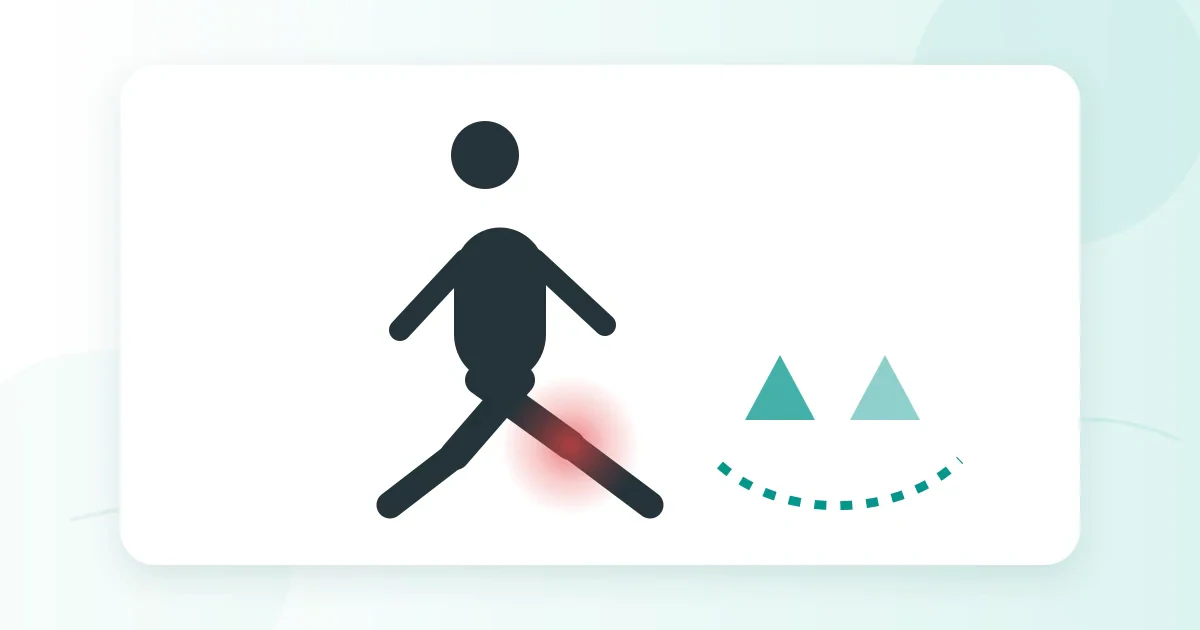
Return to sport after ACL surgery should be based on recovery criteria, not time alone. Strength, control, confidence and sport demands all matter.
Read article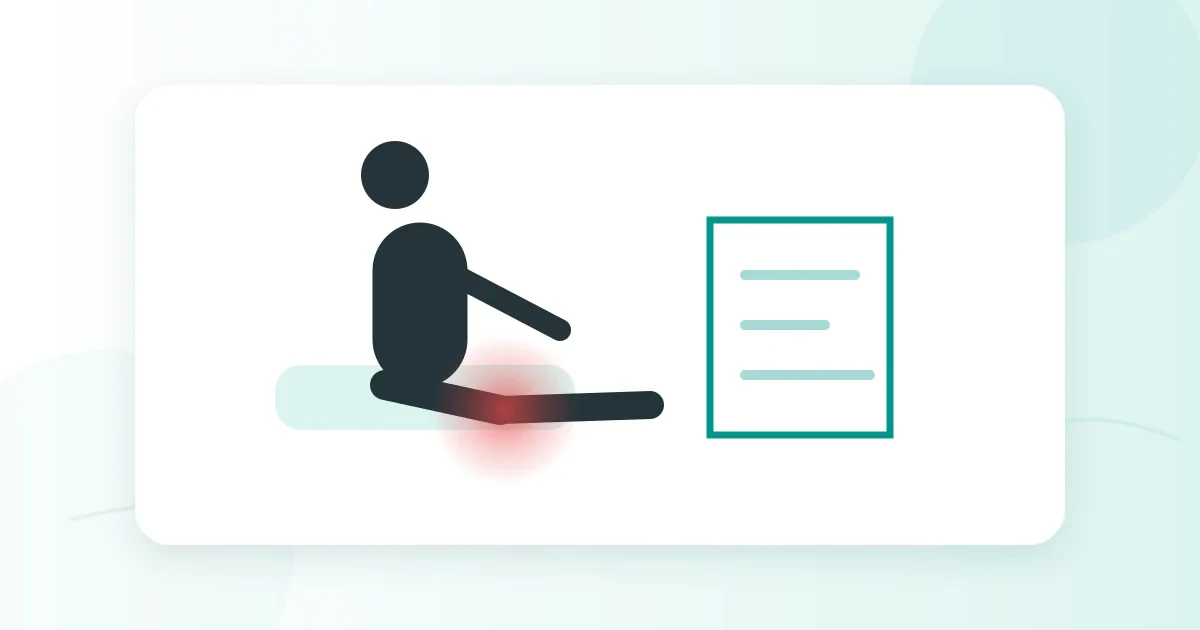
Post-operative knee rehabilitation commonly addresses swelling, movement, strength, walking and a graded return to daily or sporting activity.
Read article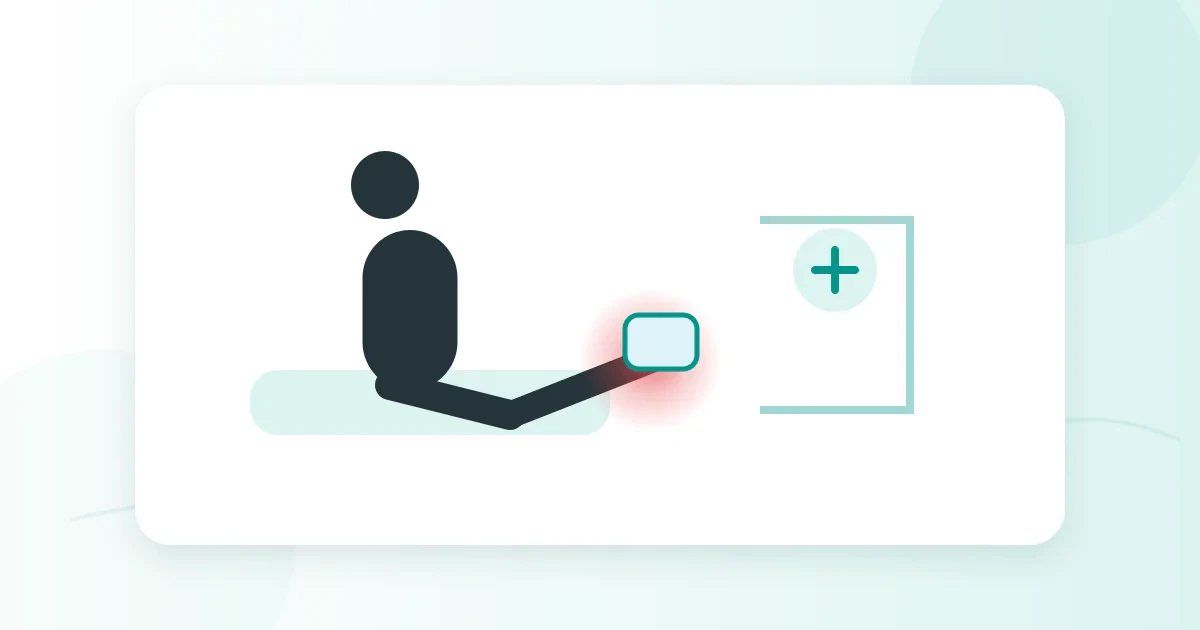
Early ankle-sprain care should protect the injury while keeping safe movement where appropriate and watching for signs that need medical assessment.
Read article
Return to running should consider pain, swelling, ankle movement, calf strength, balance and sport-specific control rather than time alone.
Read article
First-step heel pain is common in plantar fasciitis, but heel pain can have other causes. Learn what assessment and gradual loading may involve.
Read article
Questions that help you understand why shockwave is being proposed, what it targets, what to expect and how it fits with rehabilitation.
Read article
A safety-focused overview of situations that should be screened before radial shockwave therapy.
Read article
What peripheral magnetic stimulation is, how it may be used alongside rehabilitation and why assessment still comes first.
Read article
Important safety questions to discuss before peripheral magnetic stimulation, including implanted devices and other medical considerations.
Read article
A clear comparison of therapeutic ultrasound and shockwave therapy, including how they differ and why neither is chosen by diagnosis alone.
Read article
Physical therapy devices may help symptoms, but progressive exercise remains central to restoring capacity, confidence and movement.
Read article
Pain in the same body area can come from different problems. Assessment helps determine priorities, screen red flags and choose an appropriate plan.
Read article
Practical principles for home exercise after stroke, including supervision, fall prevention and choosing tasks at the right difficulty.
Read article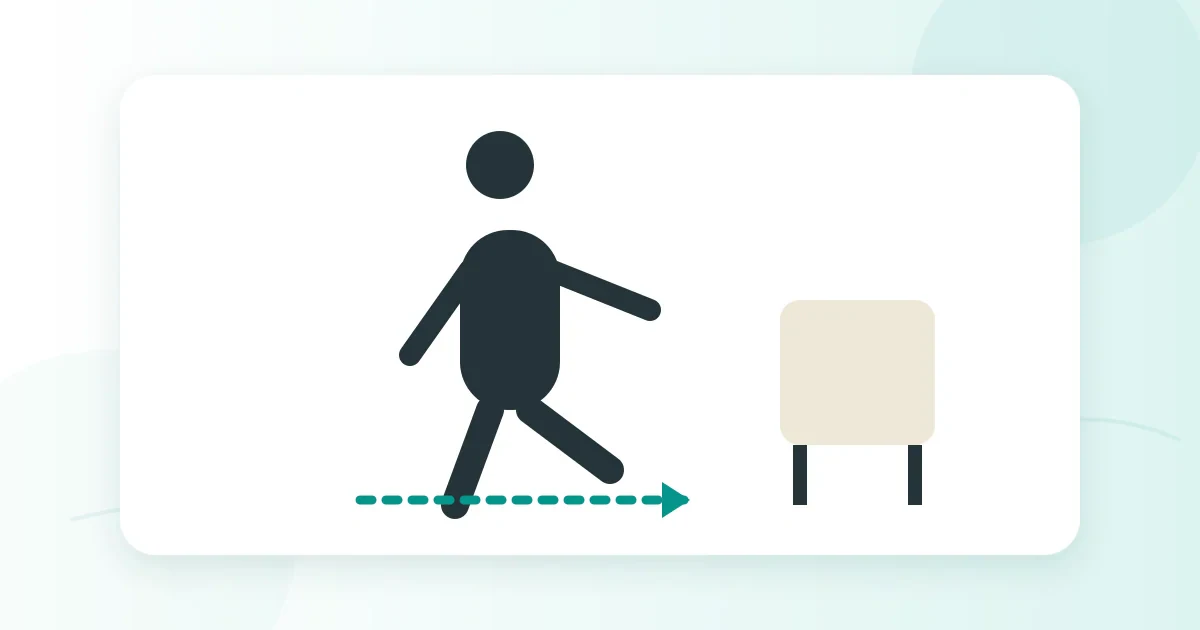
A practical guide to balance, leg strength, walking confidence and home factors that can influence fall risk in older adults.
Read articleTechnology can support rehabilitation, but the right option depends on the assessment. Explore precautions and how each modality fits a broader treatment plan.