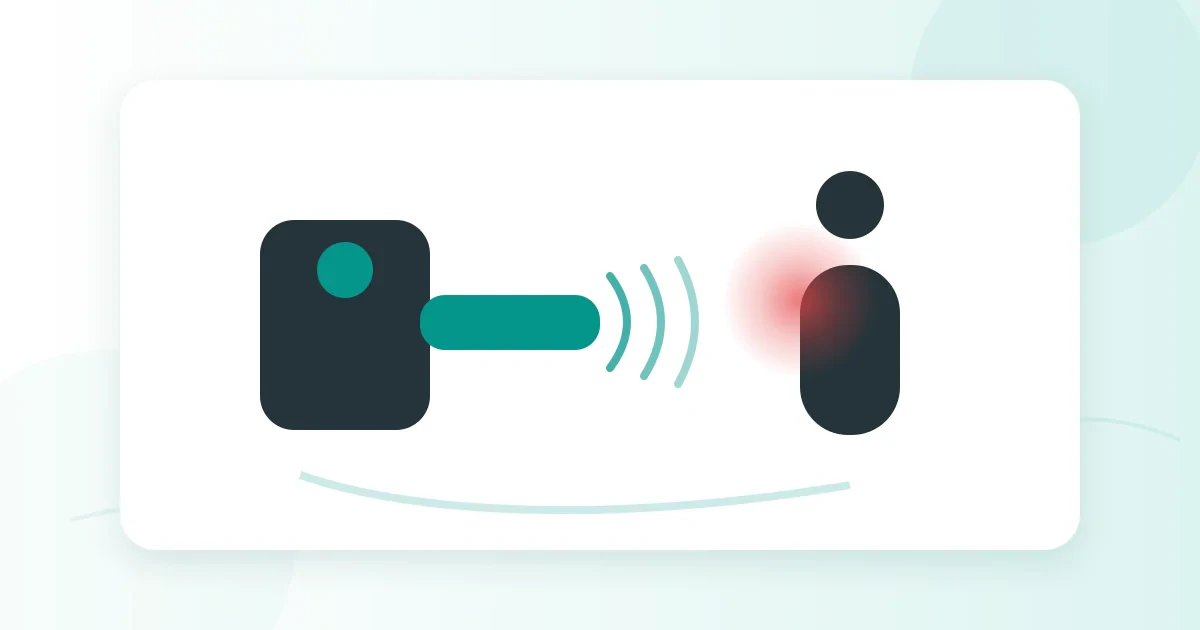



Therapeutic ultrasound and shockwave are different technologies. Ultrasound uses high-frequency sound waves, while shockwave delivers mechanical pressure pulses. Their indications, treatment sensations and evidence differ, so they should not be treated as interchangeable machines.
Key points
- Ultrasound is generally applied with a treatment head and coupling gel.
- Shockwave usually produces a more noticeable tapping or pressure sensation.
- The best choice depends on the tissue, stage of the problem and rehabilitation goal.
- Neither modality replaces progressive exercise when active rehabilitation is indicated.
What a physiotherapy assessment can add
A clinician should first determine what structure or movement problem is likely contributing to symptoms and whether a modality has a reasonable role in that case.
Practical next steps
Rather than asking which machine is stronger, ask which option fits the assessment and how improvement will be measured over time.
When to seek medical care
Both modalities have precautions and treatment areas that require avoidance. Medical history and the exact treatment location should be screened before use.