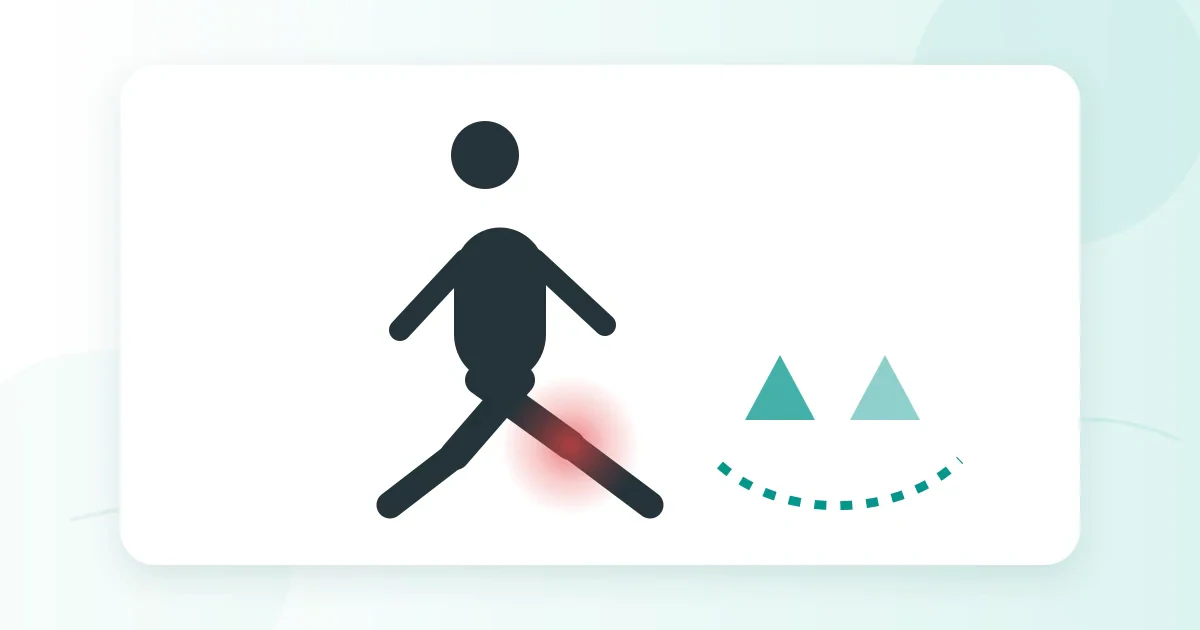


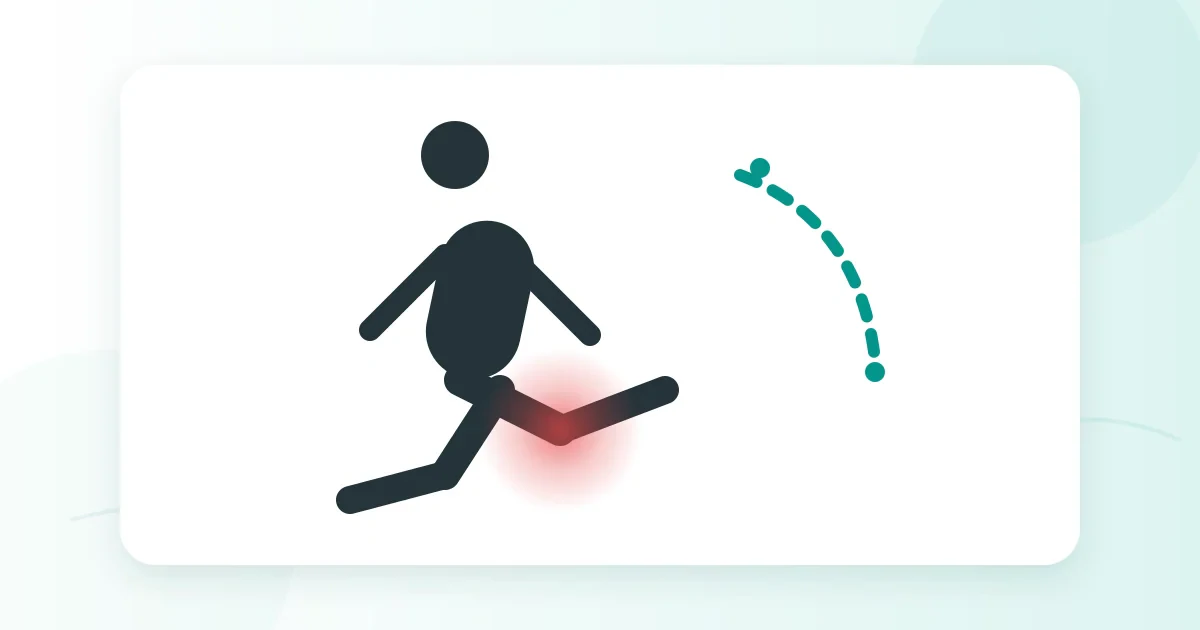
Knee pain during running is not a single diagnosis. Symptoms can arise from several structures and are often influenced by recent changes in distance, speed, hills, recovery, footwear and the capacity of the hip, thigh and calf muscles.
Key points
- Review recent increases in weekly distance, intensity or hill work.
- Notice whether pain occurs during running, after running or the next morning.
- Strength and control around the hip, knee and ankle can influence load distribution.
- Temporary training modification may allow recovery without stopping all activity.
What a physiotherapy assessment can add
A physiotherapist can examine knee range, strength, single-leg control, running-related tasks and symptom behaviour to guide a graded loading plan.
Practical next steps
Change one training variable at a time and rebuild volume gradually. Exercise selection should address the deficits found rather than relying on a generic runner programme.
When to seek medical care
Significant swelling, locking, repeated giving way, inability to bear weight or pain after substantial trauma should be assessed before continuing to run.