

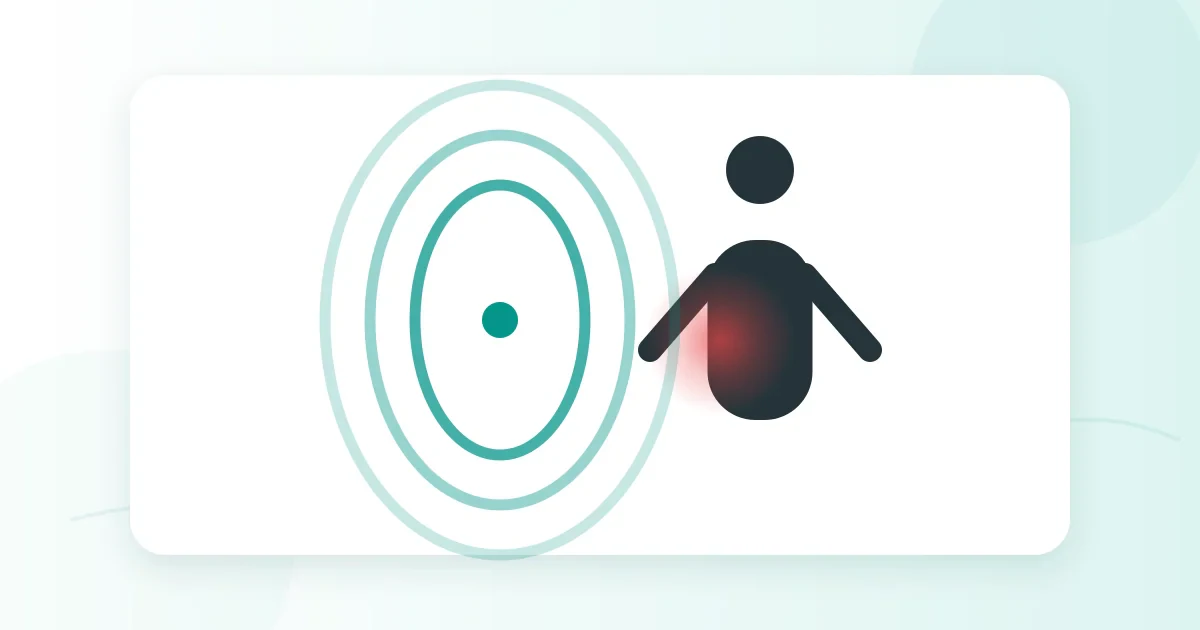
Peripheral Magnetic Stimulation, often shortened to PMS, uses a changing magnetic field to stimulate nerves and muscles without placing an electrode directly on the skin. In rehabilitation it may be considered as one part of a broader plan for selected pain, muscle activation or movement problems.
Key points
- PMS is an adjunct, not a substitute for assessment or active rehabilitation.
- The treatment area, intensity and purpose should be selected for the individual.
- Response varies depending on the condition, irritability and rehabilitation goal.
- Exercise, movement retraining and load management usually remain important.
What a physiotherapy assessment can add
Before using PMS, a clinician should clarify the likely pain or movement mechanism, screen contraindications and decide whether stimulation adds value to the treatment plan.
Practical next steps
Ask what the treatment is intended to achieve, how progress will be measured and what exercises or activity changes should accompany it.
When to seek medical care
People with implanted electronic devices, certain metal implants, pregnancy or other relevant medical conditions should tell the clinician before treatment so suitability can be screened properly.