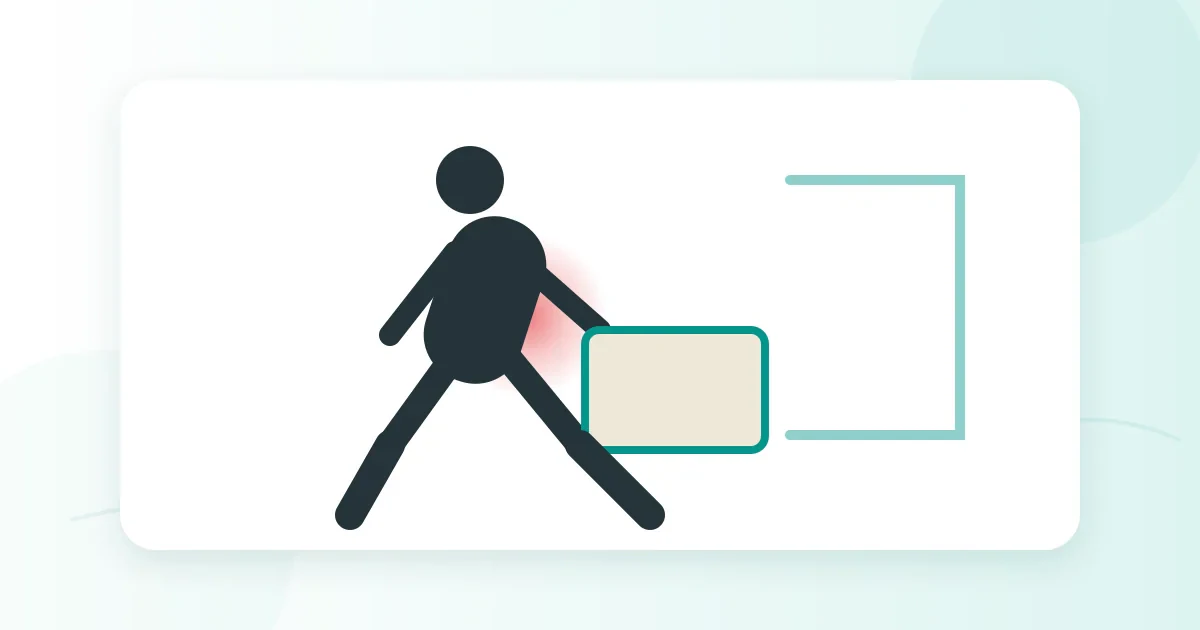



Back pain can come from muscles, joints, discs, nerves and other structures, and the same pain location can behave very differently between people. An assessment is useful when symptoms persist, limit daily activity or include features that need further screening.
Key points
- Notice whether pain changes with sitting, bending, walking or prolonged positions.
- Report pain spreading into the leg, numbness or weakness.
- Consider recent trauma, fever, unexplained illness and significant medical history.
- Functional limits such as sleep, work and walking help guide the plan.
What a physiotherapy assessment can add
A physiotherapist can assess movement, strength, neurological signs and functional tolerance, then decide whether conservative rehabilitation is appropriate or medical referral is needed.
Practical next steps
For non-urgent mechanical back pain, staying reasonably active and gradually rebuilding movement is often more useful than prolonged bed rest. The exact plan should match symptom behaviour.
When to seek medical care
Seek urgent medical care for new bladder or bowel disturbance, numbness around the saddle area, rapidly progressive leg weakness, severe trauma or other serious systemic symptoms.