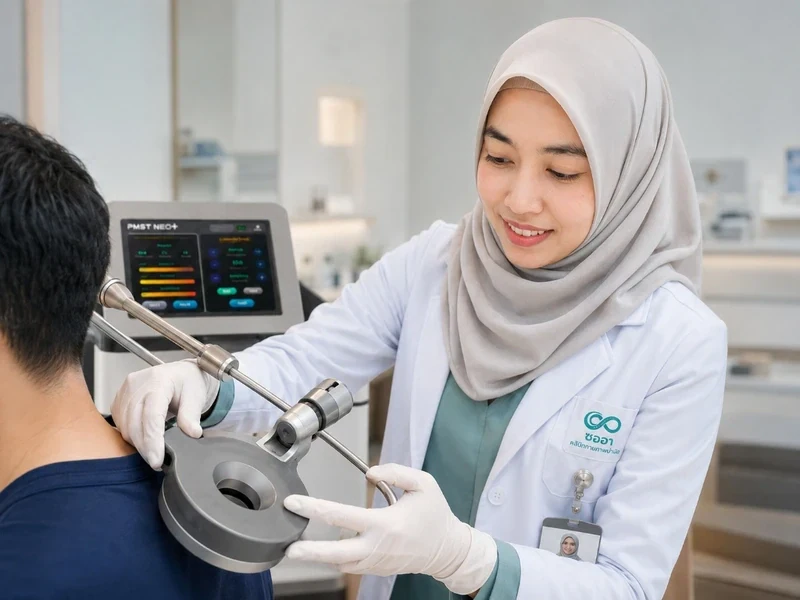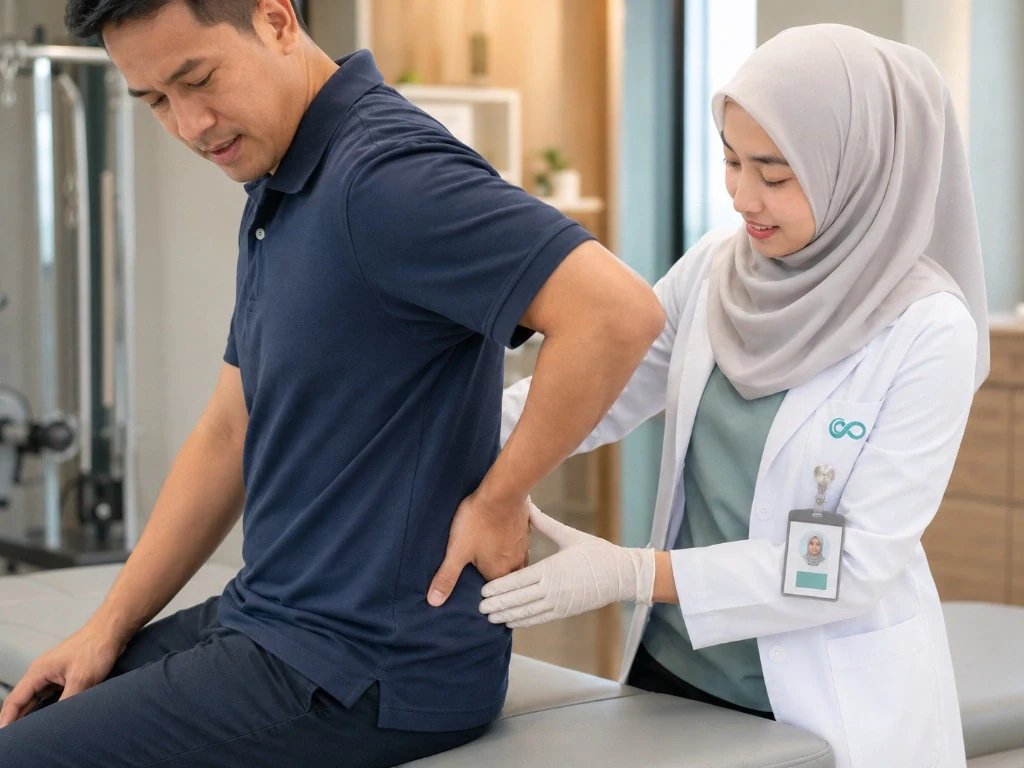


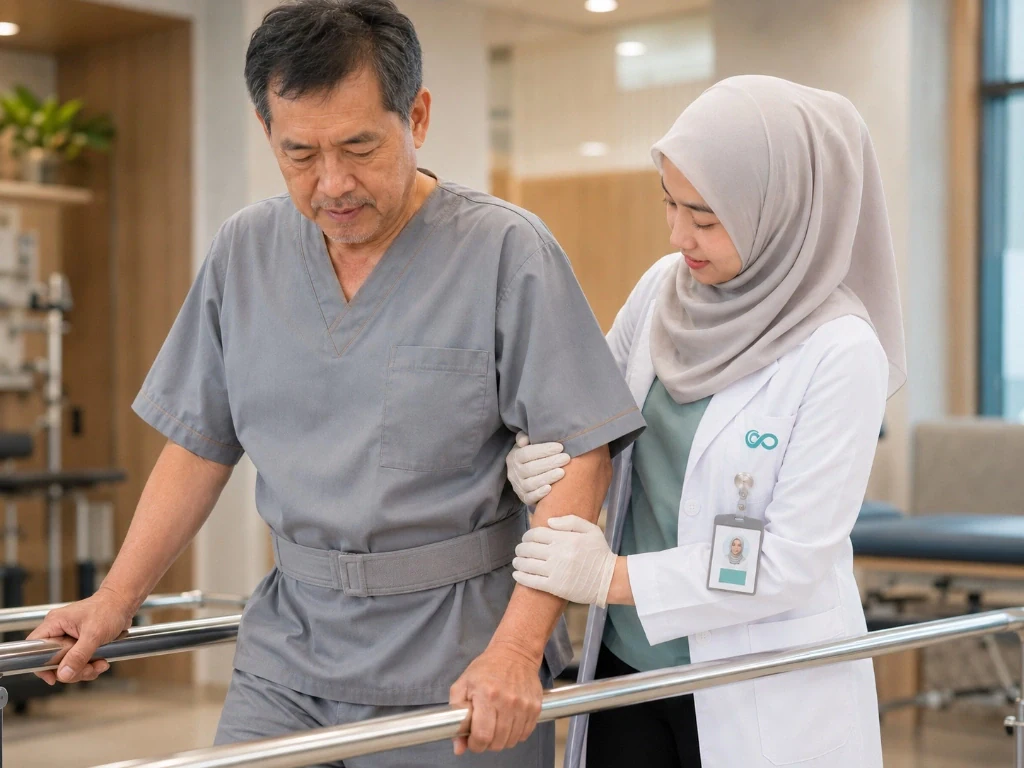
Stroke recovery benefits from meaningful, repeated practice, but the best setting depends on the individual. Clinic sessions can provide equipment, close assessment and progression, while home practice helps transfer skills into everyday life.
Key points
- Clinic care can support detailed assessment and more challenging supervised tasks.
- Home practice provides repetition in the environment where daily activities actually happen.
- Family or carers may need instruction in safe assistance and transfers.
- The plan should evolve as independence and goals change.
What a physiotherapy assessment can add
A physiotherapist can assess mobility, balance, limb control, cognition-related safety and caregiver needs to decide which tasks require supervision and which can be practised independently.
Practical next steps
Use clinic sessions to refine technique and progress difficulty, then repeat selected safe tasks at home. The two settings work best when they share the same functional goals.
When to seek medical care
New stroke symptoms such as sudden facial weakness, speech difficulty, new one-sided weakness or severe sudden headache require emergency medical care.