

Falls in older adults rarely have a single cause. Leg strength, balance, vision, medications, blood pressure, footwear and the home environment can all contribute. A useful prevention plan looks at these factors together rather than relying on one difficult balance exercise.
Key points
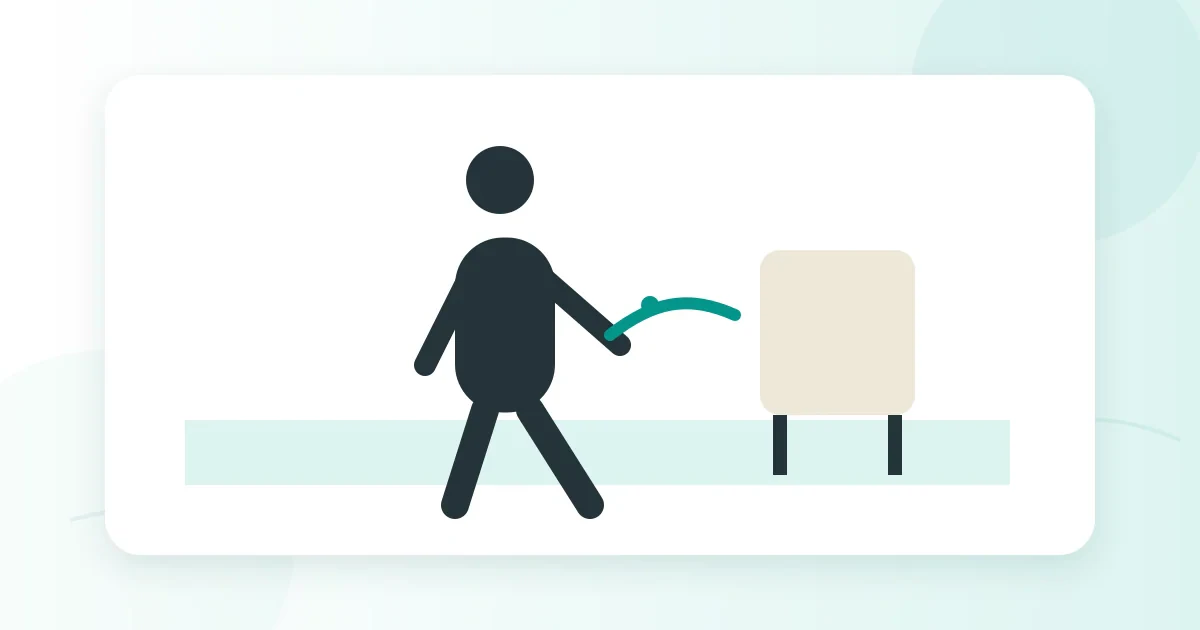
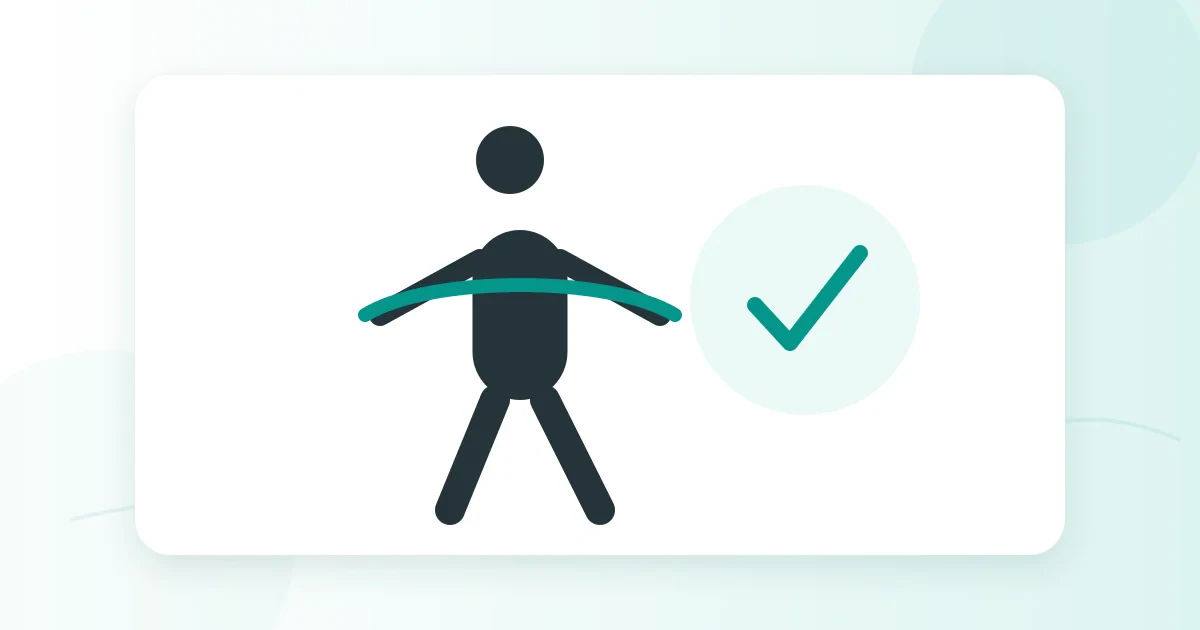
- Start with safe sit-to-stand, weight-shifting and supported balance work.
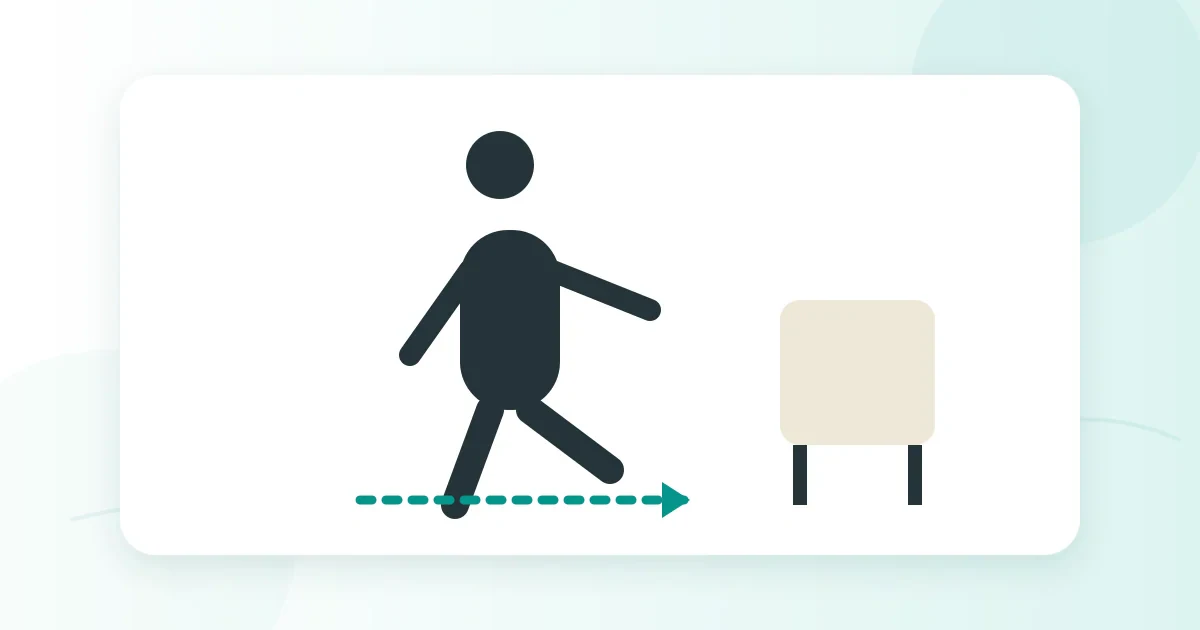
- Progress walking tasks gradually, including turns and controlled changes of direction.
- Check lighting, loose rugs, slippery surfaces, footwear and commonly used walking routes.
- Use a stable support when needed and avoid practising challenging tasks alone.
What a physiotherapy assessment can add
A physiotherapy assessment can review lower-limb strength, transfers, gait, balance strategies and confidence during daily activities. The exercise level should match the person’s current ability and medical context.
Practical next steps
Practise consistently at a level that feels controlled, then increase difficulty in small steps. The goal is safer everyday movement, not performing the hardest possible exercise.
When to seek medical care
Falls associated with fainting, new severe dizziness, chest symptoms, sudden weakness, speech changes or other acute neurological symptoms need medical assessment rather than balance training alone.