

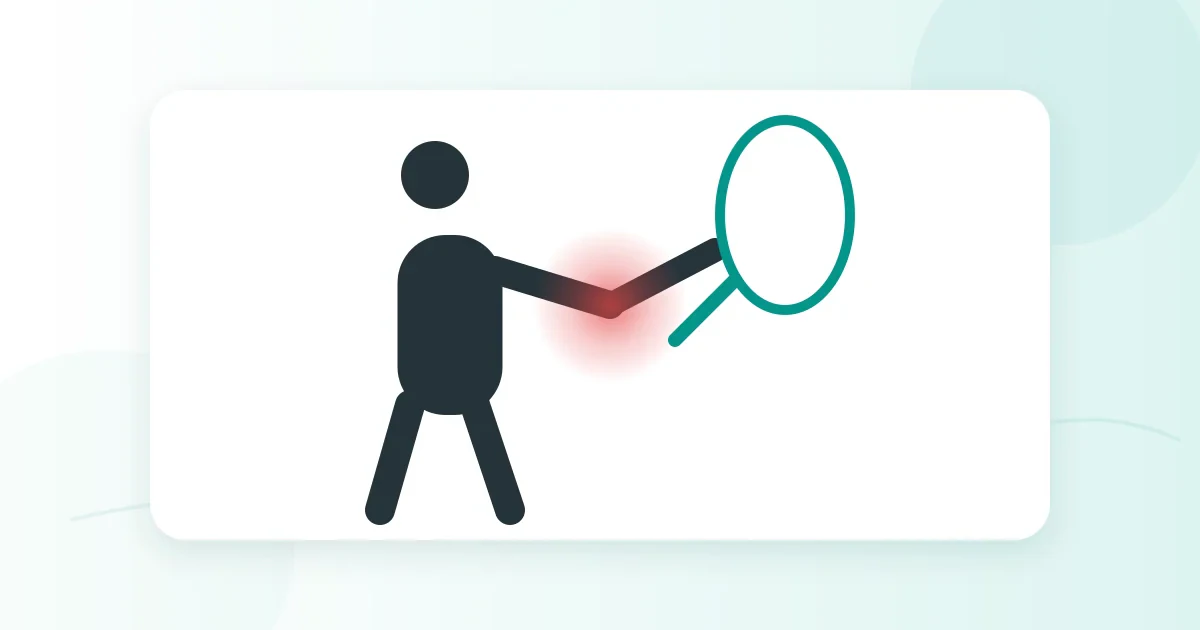
Lateral elbow pain, commonly called tennis elbow, often becomes noticeable with gripping, lifting or repeated wrist use. The condition is not limited to tennis players and may develop after a change in work, sport or repetitive loading.
Key points
- Identify gripping or lifting tasks that repeatedly aggravate symptoms.
- Reduce excessive load temporarily without avoiding all arm use.
- Progress wrist and forearm strengthening according to tolerance.
- Consider shoulder and upper-limb capacity when relevant to the activity.
What a physiotherapy assessment can add
A physiotherapist can differentiate common tendon-related pain from other elbow, neck or nerve problems and establish an appropriate loading level. Shockwave may be considered for selected persistent presentations.
Practical next steps
Use symptoms over 24 hours to guide progression. A small, tolerable response can be acceptable, while a large lasting flare suggests the current load may be too high.
When to seek medical care
Seek further assessment for significant trauma, marked loss of movement, progressive weakness or numbness, or symptoms that do not fit a typical tendon pattern.