

Home practice can be valuable after stroke because repetition is important for relearning movement. Safety matters just as much as repetition, particularly when balance, sensation, vision, attention or judgement are affected.
Key points
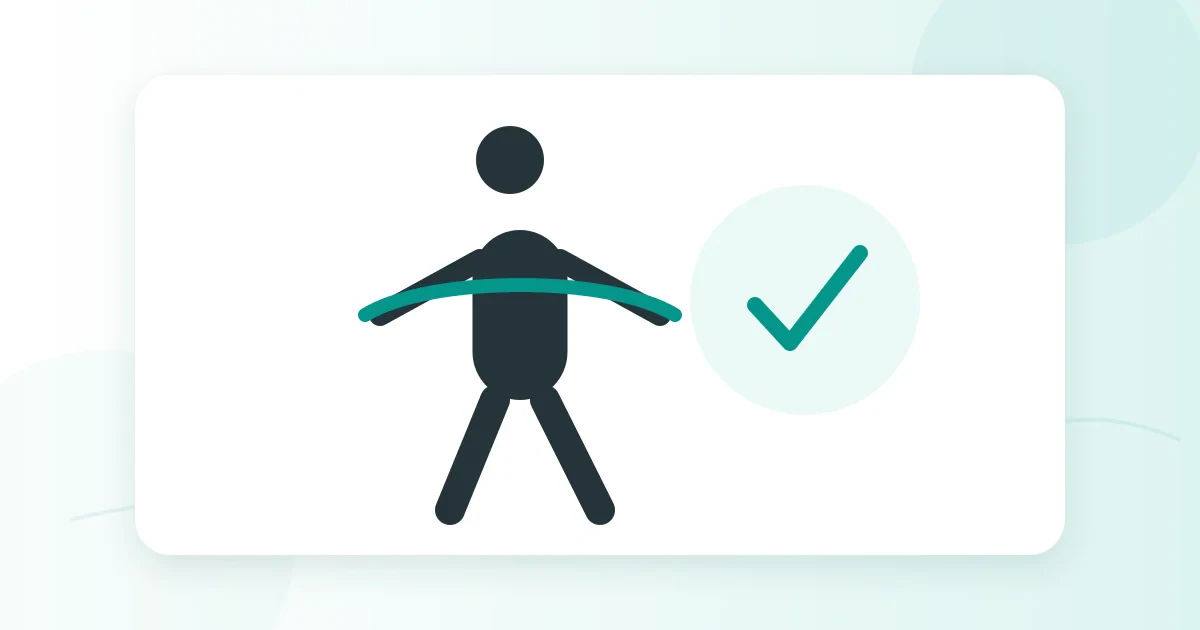
- Use exercises that have been assessed and demonstrated for the individual.
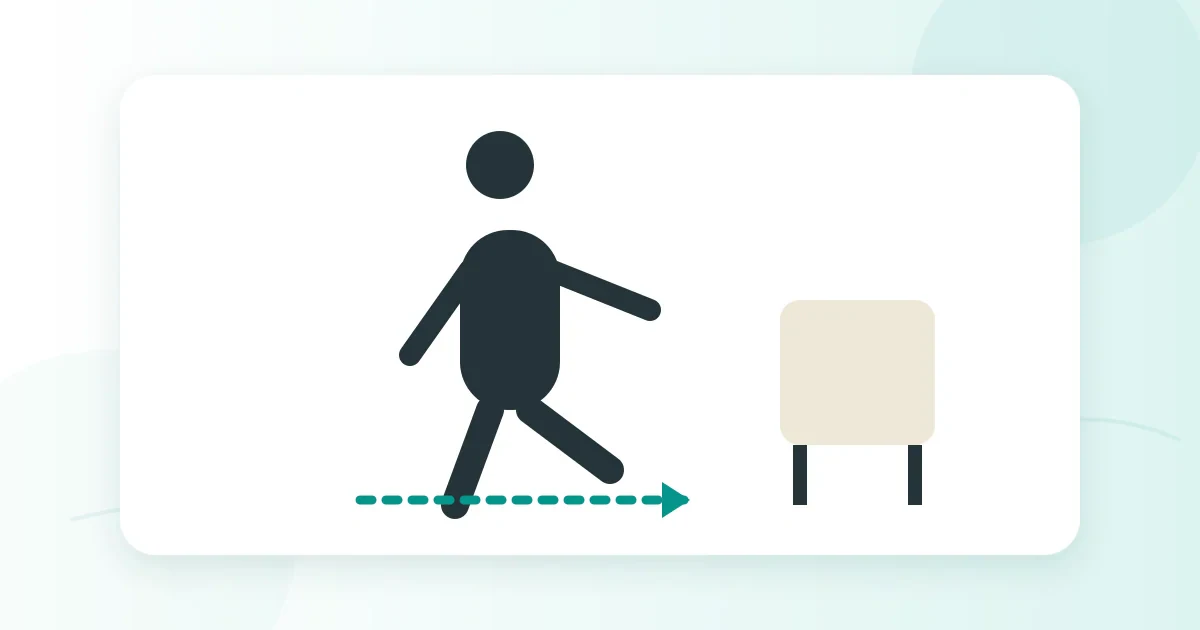
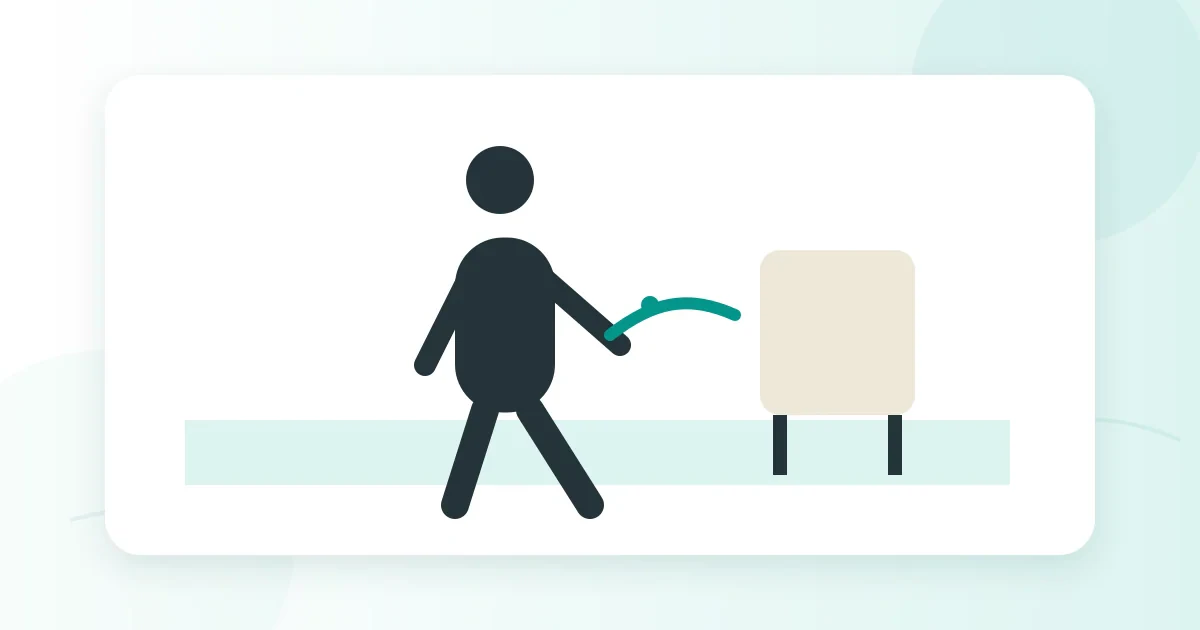
- Keep the practice area clear and use stable support when recommended.
- Prioritise meaningful tasks such as transfers, standing and walking at an appropriate level.
- Stop if symptoms change significantly or the person becomes unusually unwell.
What a physiotherapy assessment can add
A physiotherapist can assess transfers, walking, balance, limb control and the amount of assistance required. Family members can also be taught safer ways to support practice.
Practical next steps
Short, regular sessions are often easier to perform well than one long session. Keep a simple record of what can be done safely and what remains difficult so the programme can be progressed appropriately.
When to seek medical care
New facial droop, speech difficulty, sudden weakness, severe sudden headache or other possible recurrent stroke symptoms require emergency medical care.